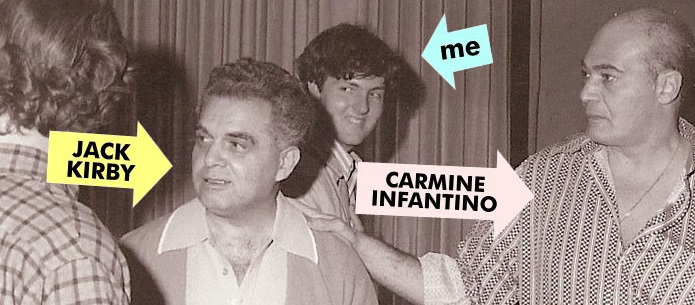
I was reluctant to even tackle this, believe it or not- such is my immense dislike of Mark Evanier. That dislike has been formulated over the years strictly from my own observation and comprehension skill; listening to the ever-changing stories and contradictory statements, being legitimately taken aback at his lack of awareness when sharing his anecdote about getting Dick Ayers removed from work and just his general overall pompousness and creepster aura.
Evanier is a banal, bland man who lacks empathy and thrives on being the go-to for Kirby quotes and intricate facts about Garfield and the animation industry… I don’t say he’s not talented, but he’s talented in the journeyman sense. I know there’s craft involved to writing Hong Kong Phooey comic books, but Evanier as a creative person is decidedly average.
His blog is filled with endless anecdotes and references in passing to several women he’s dated, as if he wants to establish that he has been on dates with women, something I’ve noticed Jim Shooter has done as well.
You will also witness the genius of Evanier who, per his tellings, literally stuns Jack Benny into silence with his wit on a street corner, or making Bob Kane shut down and shoot him murderous stares when Evanier speaks up and shames Kane before a gathering of fellow comic book fans in his youth. We must know at all times that Evanier- who does come off as rather smug and pompous- is special, set apart, both clever and brilliant, and has been to the Magic Castle several times and that many women he dated will be mentioned- mostly unnamed- in all of his glorious blog entries.
Oh, and he will spend immense energy talking about what a rotten person Jerry Lewis was and how Bill Cosby deserves to be punished for his sexual assault crimes. But Woody Allen? No, no, no- Evanier won’t hear of it and, in fact, will work overtime to combat anything said against Allen, a man who literally made a film in 1978 in which a man in his forties dates an actual underaged high school student and has that character’s adult friends normalize it in one of the opening scenes. Gerard Jones, who had hundreds of scenes of children being raped by adults on his hard drive? Evanier “doesn’t need” to have an opinion and neither do you– but that’s a conversation we’ll have another time.
With that being said- and you may understandably doubt me on this- I am completely willing to set aside my immense and deserved dislike and not apply a bias towards the man’s work. By all means, a much-lauded biography of Jack Kirby from one of his past assistants would be pretty hard to screw up.

Evanier’s ‘Kirby: King of Comics’ was released in 2008 and Evanier was quick to stress that this was not the complete Kirby biography but a placeholder of sorts. Unfortunately, that placeholder status shows and that’s not completely the fault of Evanier, as Abrams Books specifically requested an “interim” release to “tide people over” until Evanier’s final, more comprehensive Kirby biography was finished. (A decade and a half later, there’s still no sign of it so perhaps it’ll be a two-volume set.)
That being said, the lack of context is stunning at times. Significant moments that could have warranted at least a sidebar or paragraph of backstory receive no more than a sentence in passing; up to seven pages at a time reproduce artwork where Evanier could have provided more text. It feels rushed and padded, though (unsurprisingly) it’s visually stunning.
A large part of my issue is simply the trajectory of Evanier himself and how he has continued, at times, to give backhanded compliments and qualifiers towards Kirby himself, depending on who is interviewing him at the time or where the winds are blowing in regard to his current project affiliation. For decades Evanier has courted and solidified the belief that, to cover Kirby, you’ve got to go through him both as an expert and family representative. I believe his commitment stems more from his overall life’s mission to get his foot in the door of the comics industry, stay employed, and write both fanfiction and columns about himself. Essentially, continuing what he did as a teenaged and prolific fanzine enthusiast.
- “Evanier has long promoted himself as the expert on Jack Kirby and his works, to the detriment of others, as evidenced in this telling piece of testimony, “I derived a lot of my knowledge about Marvel from books, as I mentioned. There is very little written and published about a lot of this material. A lot of what has been published about it was written by me. So if the question is, did I check my opinions against published works by others, I don’t think there are any published works by others that would cover this material.”
- “I hate to tell Mark this but there is a lot of documentation out there about the period of 1958 through to 1965, which is the time period in question (of the Marvel Worldwide v Kirby case). And a lot of that material, and some very fine material at that, was written by people other than Mark Evanier.” – Daniel Best, 2011
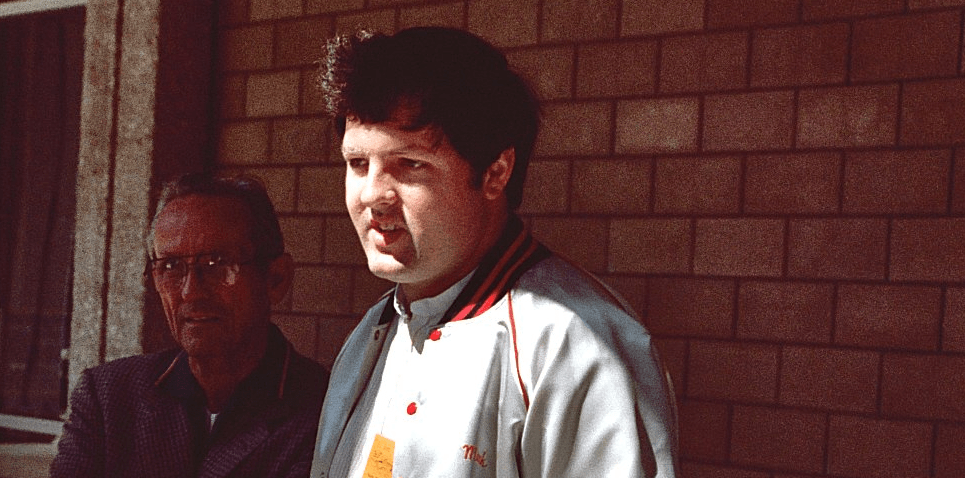
- “He knows a lot and he’s always happy to tell anyone about what he’s done, who he’s spoken to and what he’s been told, especially when it comes to obituaries, which he seems to lead the way with being the first on the block to break morbid news.” – Daniel Best, 2011
One thing I found extremely notable is that Evanier, already established in fan communities by the late Sixties, was far from a Kirby enthusiast. In fact, he was something of a Kirby critic, harsh enough to be playfully reprimanded in print by Roy Thomas in 1968:
- “I made my points, which for the most part Mark has not bothered to rebut (he has even given up some of his more violent anti-Kirby stands, or at least tempered them by saying Kirby is only mediocre by comparison to Michaelangelo…)”– Roy Thomas, May 1968
Perhaps I’m reading too much into it, but “his more violent anti-Kirby stands” would suggest to me that this guy is bashing Jack Kirby’s work often enough that he is known for it. Which is interesting, considering that it’s a mere year later that Evanier meets Jack Kirby in person and shortly thereafter becomes one of his assistants, along with Steve Sherman.
- “I’ve said it before and I’ll say it again. Stan Lieber (Stan Lee to the uninformed) is a great writer. I place him solely surprassed by Gardner Fox and possibly Steve Skeates. But I question his editorial capacity. Consider, if you will, the art-work…” – Mark Evanier, March 1968
You’ve got to love Evanier referring to Lee as “Stan Lieber (Stan Lee to the uninformed)”, already showing his insider knowledge of the industry.
- “And since Jack Kirby- a mediocre artist if this art major ever saw one– is Stan Lee’s friend, he gets to be called “King”– a misnomer if I ever saw one. (And I did!)” – Mark Evanier, March 1968
I’ve seen a fan once defend this as Evanier being an immature teenager who is “probably embarrassed” about these comments, though I’ve yet to see Evanier touch on these statements as much as he writes about himself. He was also defended as “taking both sides approach”, whatever that means.
Look, I understand that tastes evolve, opinions change with age and growth. But if you’re going to credit Evanier’s opinion of things he observed in 1969, why write off the prior year with “he was just a teenager?” His entire adult life and output has been predicated on what he was enthused by as a teenager.
This is bad logic and a weak defense for the truth: Evanier changed his tune abruptly as soon as he realized he could get in with Jack Kirby and, therefore, get into the comic industry.
Of course, he was already working in secret with Roy Thomas to get Dick Ayers literally fired from an assignment so maybe I’m wrong and Thomas would have gotten him in eventually…
- “I don’t deny that Lee is a great writer or that Kirby is a good artist. But I can also show you a lot of quotes from pros who consider Frazetta, Williamson, Infantino, Kubert, Heath, Meskin, Wood, and Kane to be tops. Every editor has his own “pet” artist and Stan Lee, who is very prvileged to have so many fans has Jack Kirby…. but he is overdoing it. With Kirby. Not even Mighty Comics, which said that Paul Reinman was the greatest went THAT far.” – Mark Evanier, 1968
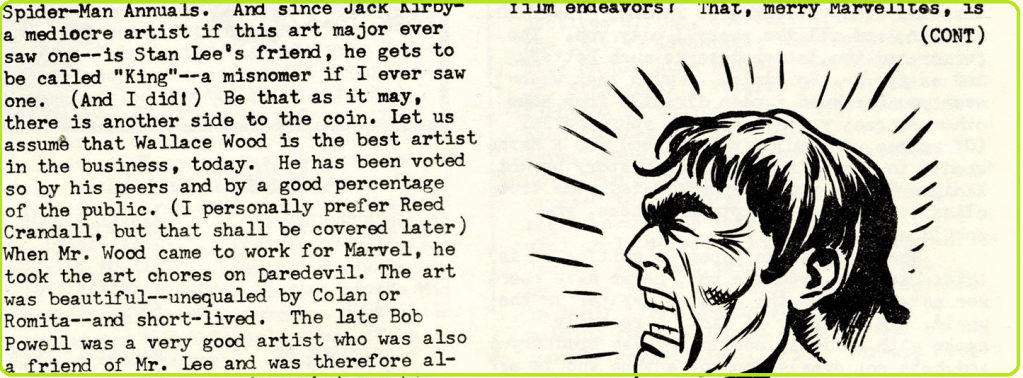
In the same column where Thomas gives a rebuttal to Evanier, he speaks on fans who write in to Marvel demanding artists like George Tuska be fired. While this is ostensibly a review of Evanier’s shallow Kirby biography, as this touches on the aforementioned actions of Evanier (and his subsequent and tangible glee at recounting his influence on Ayers’s career to Kurt Busiek decades later), I feel moved to share it just for the IRONY as well as the public appearance of these vile little man-children:
- “I myself have a personal dislike of fans who write in “fire Mr. Tuska” or whoever kind of letters; when a fan tries to act as judge and jury, deciding the fate of a man who works on comics for a living, he puts himself, for me, on the level of some of the Bircher or left-winger characters who feel that they, and they alone have a right to decide which laws to obey.” – Roy Thomas, 1968 COMPARE THIS TO EVANIER’S RECOUNTING OF GETTING DICK AYERS REMOVED FROM CAPTAIN AMERICA.
So yes, yes, I’ve long thought Evanier was a sociopath and a dick. But again, I won’t let that bias inform my genuine response to what I’m about to read. As I said, it’s not as if Evanier doesn’t possess some average writing skill. Maybe he’ll surprise me.
- “Part of my function here was as a gatherer of material and not as a creator of it. I just find that it’s very fortuitous sometimes that knowing Jack has opened up a lot of doors for me. I don’t want to exploit them unreasonably. I tried not to make very much money off of his memory.”– Mark Evanier, March 2008
- pg. 17– Evanier writes a bizarre and presumably fictional anecdote of Jack Kirby and Bill Everett first inexplicably doing Victor Fox impressions (!), “a quarter century after the fact” before deciding to go to lunch in 1965 when Stan Lee walks up to show them a mock-up of the Bullpen Bulletins where he’s announcing Kirby will hereby be known as the King of Comics.
- “Kirby and Everett fall over laughing. “No, no,” Jack protests. “Make Bill Everett King of the Comics!”
It’s just the Preface and we’ve got Evanier fanfic, unless M.E. claims this was a story Kirby actually recounted to him.
Reading through the early chapters about Kirby’s childhood, I’m struck by how little text Evanier has actually written- it’s akin to a TwoMorrows magazine where every page has oversized artwork and very minimal writing. I’m never going to complain about seeing Kirby artwork, mind you- but I believe it’s notable that you get entire stories reprinted at length and not much more than an extended article from The Jack Kirby Collector.
I appreciate that Evanier was asked by his publisher to get out a preliminary version to quell the demand, but it does seem possible that he could have fleshed out the biographical information significantly more without diluting the still-unreleased “comprehensive” deluxe version.
- pg. 44– “When Fox hired Joe Simon to supervise the writers and artists, the new editor was instantly impressed with Kurtzberg’s productivity.”
- pg. 45– “Not that there was ever a finite division of labor. Sometimes they swapped functions and there would be plenty of jobs where neither man could tell quite where the other left off.”
- pg. 47– “Simon was, like Eisner, that rarest of talents- an artist with some acumen.”
Evanier establishes that Joe Simon was considered a genius by Kirby and that he contributed so much that we often don’t know who-did-what on the Simon & Kirby stories. He’s also described several times in the most flattering of terms for being Kirby’s superior in contract I.Q.
- pg. 49– Evanier quotes historian Ron Goulart as describing Kirby’s Vision in the most negative terms for some reason.
- pg. 56– “To the horror of others in the office, Kirby rolled up his sleeves and headed downstairs. The callers, however, were gone by the time he arrived.”
This relates to when a Nazi supporter called the Timely offices and threatened the creative team of Captain America. I’ve read other anecdotes about people being impressed with Kirby’s bravery and intolerance to thuggish tactics and believe this speaks to Kirby’s character.
- pg. 58– “Then Goodman found out. Stan would forever deny having snitched, and Joe and Jack would forever not believe him.”
Interesting that Evanier decides to include Joe Simon in Kirby’s lifelong hatred pact towards Stan Lee over Martin Goodman learning the team was moonlighting at National. Maybe one day I’ll compile all of the different claims on that, most of which all unjustly claim that Kirby’s later frustrations at Marvel all stemmed from his unfairly blaming Lee for this incident.
- pg. 67– “There, Uncle Sam made a laughable attempt to turn Kirby, a man who could barely drive without running off the road, into an auto mechanic.”
Get used to a lot of these underhanded digs at Kirby with all of his many, many failings.
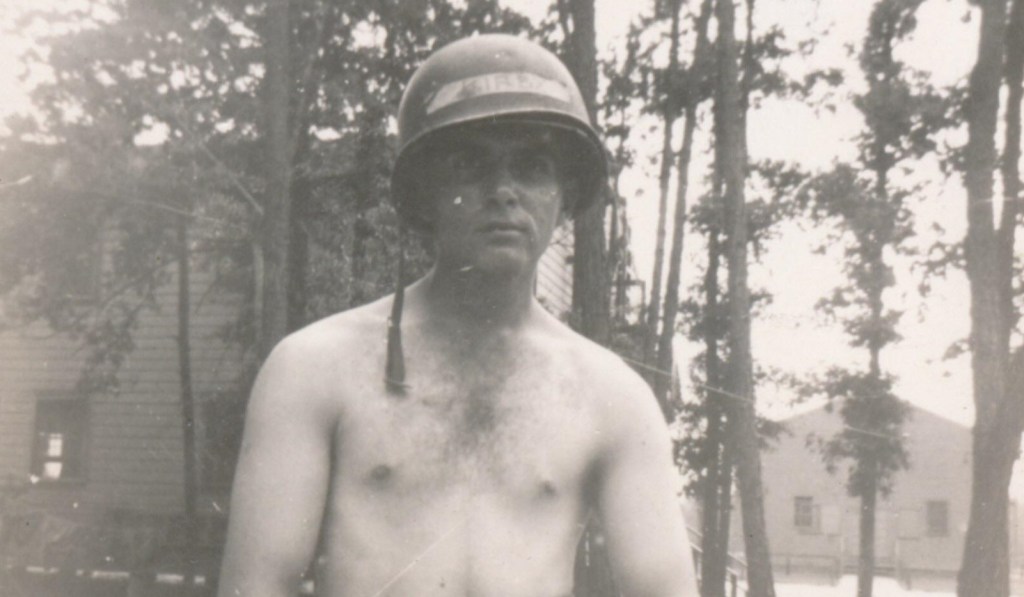
- pg. 69– Evanier sums up Kirby’s war service in a little over two paragraphs, declining to mention Kirby’s post-war time laid up in a European hospital bed with frostbitten feet where he spoke to some other comic professionals headed back home. I found it flabbergasting that Evanier didn’t include any of that; Kirby himself gave an amusing note about his stay, describing an injured serviceman attempting to masturbate because Nazis had shot off one of his testicles and he “wanted to see if it still worked.” Evanier, do you lack the zest for life??
- pg. 80– “Simon drew less and less but laid out covers and splash pages- some of the best in the business, Kirby insisted.”
…elsewhere, Evanier goes out of his way to inform you that Kirby thought and insisted how fantastic Simon was. He adds it in case you weren’t sure. “Joe was also a genius (Jack’s opinion) at designing covers and opening pages, and making the product look professional”, etc. Of course Kirby thought Simon was talented or wouldn’t be in a partnership with him, but all of Evanier’s interjections about Kirby being in awe of Simon seem rather forced.
Evanier has seven pages of art reproduction in the “Partners” chapter, then ONE page of text, and then another six pages of art.
Again, I’ll never complain about Jack Kirby artwork, but it seems to me that Evanier is cheating by calling this a biography- even an “abridged” one. It includes a biographical summary, sure. The chapter concludes with another 10 pages of art, including a complete Fighting American story. Hey- I dig all that stuff, but perhaps this should have been marketed differently.
- pg. 99– “Little of Simon’s abilities to talk with publishers and “pitch” had rubbed off on his partner. Jack’s odd way of speaking didn’t help, either. He had a tendency to ramble from topic to topic…”
- pg. 100– “Joe took to DC- an idea about men who’d cheated death and thereafter were living on borrowed time, taking extraordinary chances.”
Interesting that Joe Simon is given sole credit for pitching Challengers of the Unknown, when numerous sources (including Kirby himself) have stated that Simon had nothing to do with COTU, and that writer Dave Wood is the only party outside of Kirby himself to contribute anything to the concept. Simon appears in no capacity on Kirby’s Challengers stories.
- pg. 111– “Some felt he only kept the comics going so Stan Lee would have a job.”
Let’s humor this statement for a moment. If Martin Goodman were literally keeping a division of his business going so that his nephew by marriage would have a job… what does that say about Martin Goodman? And, in turn, what does it say about Stan Lee and how he later repaid such loyalty?
As it is, this is amateur thinking, shared by fans with no concept of how actual businesses are run and maintained.
- pg. 112– “When Stan and Jack did a story together, they had a new means of collaboration. It was born of necessity- Stan was overburdened with work…”
I again point you to the article that examines how overburdened with work Stan Lee really was. How was Stan overburdened? With what? Evanier can’t tell us details because there are none. This is blatantly false and unfair. Unless… someone can tell us why Stan was apparently so busy.
- pg. 122– “There would later be disagreement over the sequence of events that brought forth the new heroes. Lee would say he figured out the story and characters, typed up a plot outline (which still exists)…”
That plot outline has long been disputed in regard to its authenticity. More shameful writing by Evanier. But not surprising- he was an early devotee of Lee, singing his praises in the same columns he was bashing Kirby in. It’s natural some of that early admiration carries through into adulthood.
- pg. 122– “Among those that worked around them at the time, there was a unanimous view: that Fantastic Four was created by Stan and Jack. No further division of credit seemed appropriate. Not on that, not on all the wonderment yet to come.”
- pg. 122– “Even if Stan’s previous work had not suggested a flair for interesting, ongoing characters, his subsequent efforts, apart from Kirby, certainly would.”
It’s certainly interesting that Evanier feels the need to include and clarify this; that Lee’s work apart from Kirby would continue such flair.
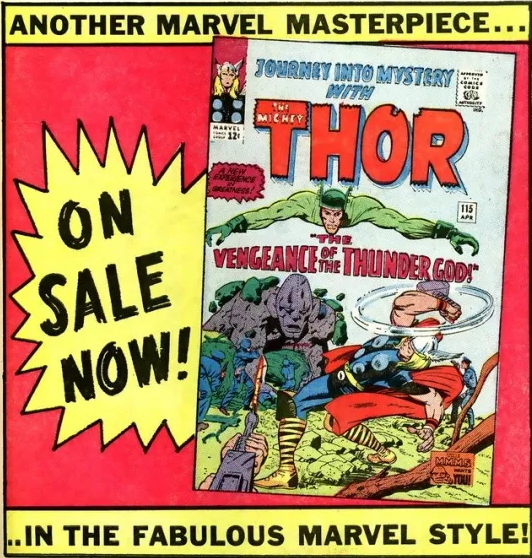
- pg. 124– “Whoever’s idea it was, it was a good one….”
- pg. 124– “Like so much of what he drew, it wasn’t deeply researched or logical…”
Evanier also feels the need to remind us that Kirby’s depiction of Asgard wasn’t deeply researched or logical… you know, as you would research for a fictional place.
- pg. 127– “In later years, Stan recalled that in his search for new characters, his mind had drifted back to an old pulp hero…”
Let’s also compile a list of all of Lee’s different origin stories of how he conceived the idea of Spider-Man. Sometimes it’s seeing an insect on the wall. Today it’s remembering the old pulp magazine character The Spider.
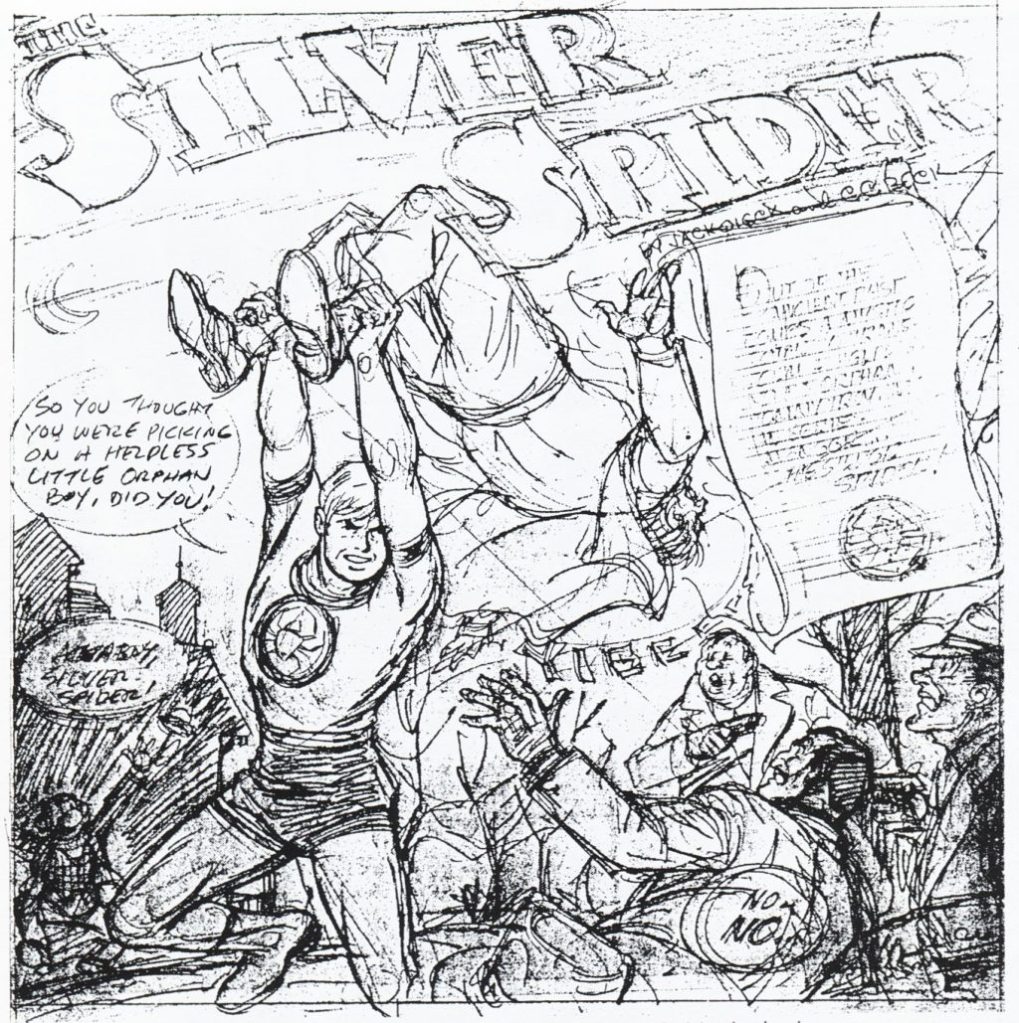
Evanier also includes what Simon thought and feels the need to point out that Simon claimed that he and he alone developed the Silver Spider and Kirby had nothing to do with it.
- pg. 127– “They could have easily been redrawn. Moreover, neither account explains why the orphan became older, why the magic ring and transformation were dropped, why the origin changed, or why Ditko was told to design a completely new costume.”
Am I the only person it has occurred to that the different submissions of Spider-Man by Kirby and then by Ditko absolutely prove that Lee had nothing to do with the creation of the character and that he was absolutely dependent upon whatever Kirby & Ditko turned into him? Otherwise, why don’t both artist’s submitted pages simply match up in terms of plot and how the character lived and operated??
- pg. 128– “Goodman, with one eye on DC’s sales, thought war comics were due for a comeback. Stan had been telling him that he and Kirby had found a “new approach” to comics, a new way of making them exciting. The publisher wondered if this “new approach” would work for a war comic, and Stan said, “It would work for anything.” That was how Sgt. Fury and His Howling Commandos came about.”
No mention of the “bet” between Lee and Goodman that was so famously retold.
- pg. 131– “The science was ridiculous- Stan and Jack would each later blame the other for it…”
This is amazing in itself- Evanier is claiming that both men were concerned about the ludicrous science that explained how Captain America had stayed in suspended animation while frozen in ice. Because, you know how grounded the science is for transistor-powered suits of armor and Norse Gods using hammers to fly, right? What I find ridiculous is that Lee and Kirby would “each later blame the other”- is Evanier forgetting to include if these incidents were made to him privately, in conversation? Both Lee and Kirby claimed plotting credit of the Marvel stories; blaming the other for this significant plot device seems unusual and, to date, I’ve found no interview with either man that has them “blaming the other” for Captain America’s journey to the present day.
Update: Patrick Ford brought this to my attention and, say what you will about Four Color Sinners but we will always amend anything we were uninformed about, true believers:
Kirby on CAPTAIN AMERICA from THE ART OF JACK KIRBY:
“That was a funny one. They killed Bucky, froze Cap in a glacier, and told me to bring him back. I’m not sure how I reacted then but right now it seems a bit amusing.”
I’m going to presume this is what Evanier refers to in regard to Lee and Kirby “blaming” each other, though I’ve yet to see Lee’s account of this plot device.
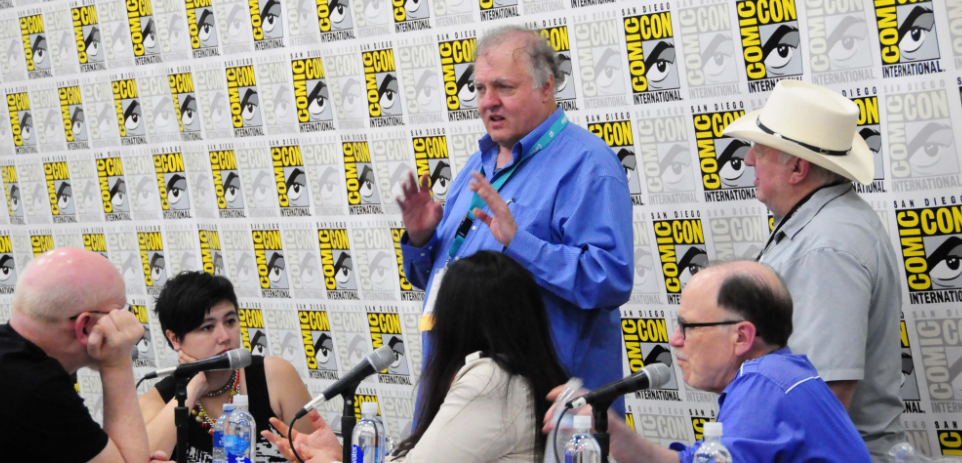
- pg. 133– “Stan Lee was on a creative high, energized especially by his collaborations not only with Kirby, but also with Steve Ditko on Spider-Man and a new magician character, Dr. Strange. The “Marvel Method” of plot first, then art, and then script, allowed Stan to produce hundreds of pages of comic book script per month, filling them with verbiage that was colorful and loaded with personality. It was even at times somewhat sophisticated, at least by comic book standards. He aimed just over the readers’ heads and they loved it.”
- pg. 133– “He got the best out of his people, Stan did. He certainly got it out of Kirby and Ditko, encouraging styles and imaginations to run free.”
I would contest this; it implies that Kirby and Ditko- who fully plotted and then submitted completed story and art to Lee that he then dialogued, relying on their margin notes- needed direction or encouragement. Evanier knows this but still decides to strengthen the foundations of the Lee/Marvel myth. Also diminishes Kirby and Ditko as “Lee’s people“, as if they are simply extensions of Lee’s vision.
- pg. 136– “Several times he forgot a character design, and it was necessary for the inker to retouch a costume so that it matched the previous issue. In stores continued from issue to issue, Jack sometimes forgot how the last chapter had ended, which led to the next story not linking up precisely.”
No one could accuse Evanier of smoothing out Jack Kirby’s foibles for the purposes of a flattering biography.
- pg. 141– “The Surfer became a source of special contention between Lee and Kirby. Though he regarded the earlier Marvel heroes as primarily his concepts, Jack had at least discussed them with Stan before drawing their first stories.”
- pg. 163– “A few months later, when it was announced that Kirby was joining the competition, some readers who’d been unaware of the behind-the-scenes battles wondered if the Surfer hadn’t been speaking for Jack Kirby, albeit through Stan Lee dialogue.”
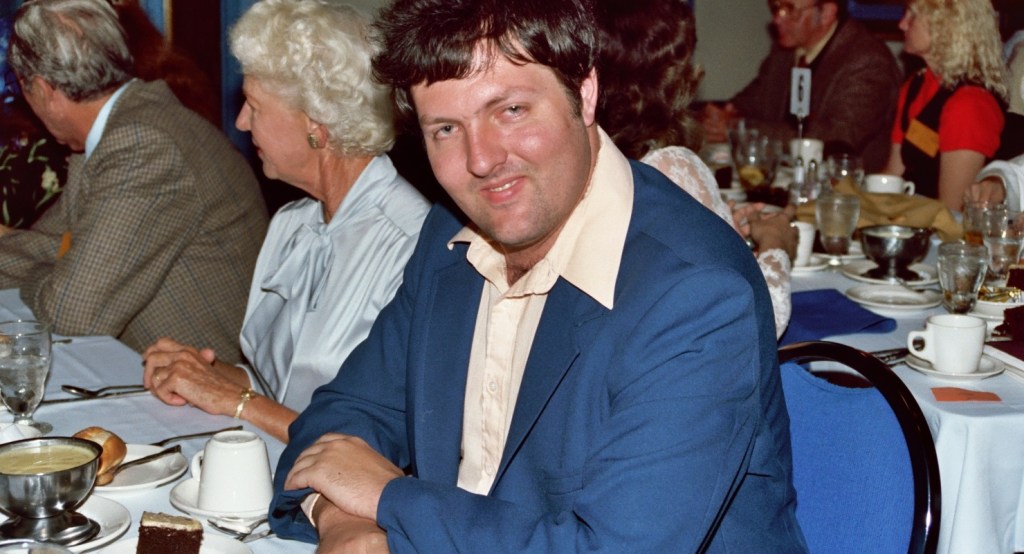
- pg. 177– “Just a few years later, Star Wars would be the grand hit of Hollywood- and some of Kirby’s readers noted similiarites. In New Gods, Orion had called upon a power called The Source in confrontation with his father, Darkseid. In Star Wars, Luke Skywalker called upon a power called The Force when he battled his father, Darth Vader.”
Credit to the Markster for including this, however. There are even more comparisons between the Fourth World and Star Wars, in fact. But this establishes the basic similarities well enough.
- pg. 185-187– “Many readers (and some in the office) were bothered that those directions did not coincide with the tidy inter-continuity of the Marvel Universe. Others disliked Jack’s writing style or felt his art was getting sloppy.”
- pg. 187– “His inkers would do what they could to compensate, but it was becoming obvious to anyone who looked past the surface excitement: Something was wrong. Something was wrong with the sales, too. Jack wasn’t connecting with the current Marvel line.”
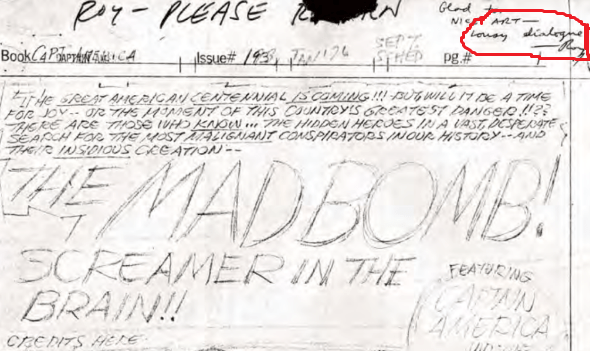
Kirby’s return to Marvel was sabotaged due to inter-office jealousy and ungrateful, incestuous staff that grew up on Stan Lee propaganda. Evanier summarizes as these things always do, rather than call out the parties involved. As I have no ties to the comics industry and am unlikely to be hired by Marvel, I have no such qualms: Ralph Macchio, Scott Edelman, David Anthony Kraft, and Marv Wolfman were especially anti-Kirby during this time and facilitated the environment against him. Roy Thomas also saw fit to write “lousy dialogue” on Kirby’s original art which was then sent back to him to see. It’s 2023 and Kirby is still owed an apology for the shameful and unprofessional treatment he received from Marvel during this time.
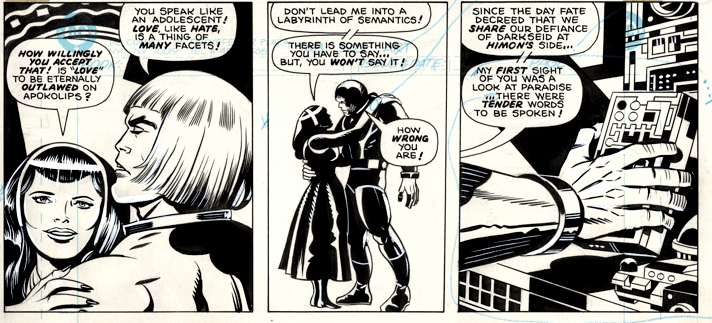
- pg. 191– “The two of them even teamed up again for a Silver Surfer graphic novel.”
- pg. 197– “Jack also drew a book called Destroyer Duck for another new firm, Eclipse Comics.”
These last two examples are cited to give more context of just how sparse Evanier is on many details of Kirby’s career; no details, no context- the story behind Lee and Kirby’s LAST collaboration gets one sentence, in passing? And the legal issues behind the creation of Destroyer Duck doesn’t warrant a brief paragraph or sidebar? Really? Very, very curious.
- pg. 200- “…and asked him to do a graphic novel that would wrap up his unfinished epic. Was this possible? It wasn’t, and Jack knew it wasn’t. He simply hadn’t gotten far enough into his masterpiece to be able to cut to the chase and end it in the allotted pages. He meant no, but said yes. Kirby’s gratitude to DC for the royalty deal, coupled with his usual reticence to say, “I can’t make that work,” got the better of him. The making of The Hunger Dogs was rocky and rough, and no one, Jack included was that thrilled with how it ended- without a bang, without a whimper, without even decent sales on the reprint or the grand finale. If the Fourth World hadn’t flopped the first time around, it did so the second.”
Gosh! After building up a late-in-life triumph of sorts where Jenette Kahn and Paul Levitz get royalties for Kirby, Evanier is quick (as always!) to remind us how Kirby just flopped after they invested their hopes in him.
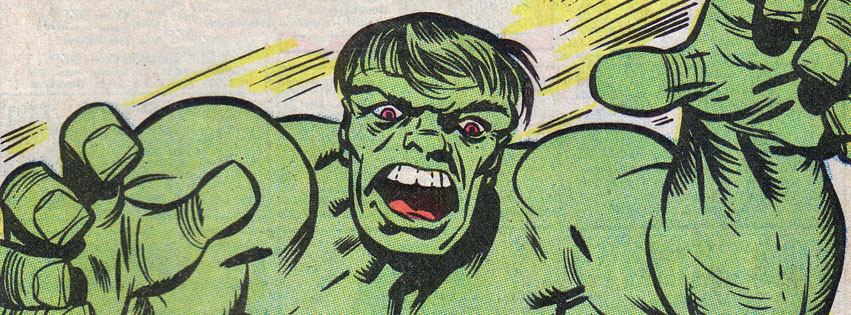
- pg. 203– “He couldn’t even walk into a toy store with his grandson. All the Hulk playthings on display, many of them sporting Jack Kirby drawings, made him physically ill.”
I’ve read Evanier give a variation on this incident before, and while I am 100% in agreement that Kirby was screwed over over the creation of the Hulk and merchandise royalties, I have to say that I’ve spent time on a fan’s exhaustive website of Incredible Hulk memorabilia and, after looking at dozens and dozens of Hulk toys and gimmicks from the Seventies and Eighties- I do not see Kirby artwork on any of them. The majority has John Buscema artwork.
I’m sincerely curious what Hulk merch that Evanier saw Kirby artwork on. In fact, I encourage people to Google “Incredible Hulk merchandise 1970s” and 1980s'”, etc.- there was quite a bit of it, no doubt fueled by the popularity of the critically acclaimed television series starring Bill Bixby. Not a huge deal, but an observation of Evanier’s habit of stating something in passing so that people will accept it without fail.
- pg. 205– “But Stan, as he always had, claimed to have no power to help Jack in this or any of his other clashes with the company. A lot of people didn’t believe that. Kirby certainly didn’t believe it… but he came to believe that Stan believed it.”
No context for this? Is Evanier suggesting Kirby confided this to him? Keep in mind that Kirby’s battle for the return of his original artwork- which could fill a book in itself– lasted for years and is certainly one of the most significant aspects of the last stage of Kirby’s life and career- Evanier devotes less than two entire pages to it. It’s as if he’s a high school student writing a descriptive paper about a public figure rather than giving a proper biography- even in amended form. Shameful.
The book ends with a chapter on the last decade of Kirby’s life, Roz outliving him for four years, an admittedly nice afterward story of Kirby threatening a guy who was trying to blackmail young Evanier, and Evanier’s devoted prose describing how he met Kirby, how brilliant Kirby was- even if we’re again reminded that Kirby could “easily- TOO easily- be confused”– and then a short author bio where we learn that Evanier was Kirby’s assistant, is now his “Official Biographer” and wrote ‘Welcome Back, Kotter‘ and so forth.
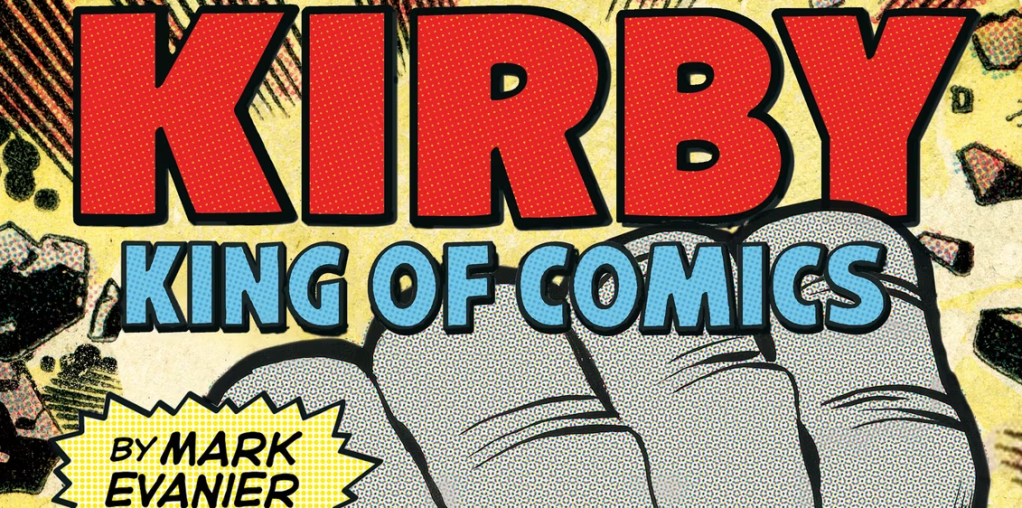
No one can accuse Evanier of writing a softball biography due to his close association with Jack Kirby. He repeatedly reminds us of Joe Simon’s superior acumen and Stan Lee’s brilliant dialogue, he is quick to point out that Kirby was bad in interviews, constantly confused and inept at speaking in general. Therefore, Kirby: King of Comics provides us an unvarnished view at the apparent King, warts and all, who coasts through the biography as a confused, passive figure. If you purchase this, you’ll at least be guaranteed some excellent reproductions of Kirby’s work ranging from childhood to his last days and that could be worth the price of admission alone.
And if anyone thinks I’ve been too harsh on Mark Evanier- a guy who flippantly recounts his negative influence on Dick Ayers career and bashed Jack Kirby before setting himself up for life as “the Kirby guy”- hey, I’ve got an easy solution! All Evanier needs to do is hire me to be his assistant, and eventually I can eat out every day of the year on that association for the rest of my life! While writing mundane and underhanded articles about his work on DNAgents.
I swear, this stuff writes itself.
With thanks to Daniel Best and Patrick Ford.

 Four Color Sinners
I have a real pet peeve with people who use “literally” when it’s unnecessary or inappropriate & you use it FIVE TIMES here, twice in the same paragraph. In my experience, it’s mostly just used to exaggerate points. It’s what teenagers do these days to get attention & make a big fish story. Also, Kirby’s artwork WAS noticeably lame after he returned to Marvel in the ’70s & it got progressively worse. Don’t blame Evanier for being honest about that. He can have reverence for Kirby’s past work yet be honest about its shortcomings. Kirby’s conclusion to the New Gods saga was indeed horrible. Though it was surprising to see how much Evanier had been critical of Kirby’s work back in the ’60s before he worked for him.
LikeLike
As always, there is no proper response outside of accusing someone (this time of trying to get attention like a teenager and make a “big fish” story) and stressing how annoyed they are with a blog entry- annoyed enough to write a paragraph, I suppose.
Kirby’s art in the 70s’ is subjective; my point wasn’t the merit of the work. My point was how Kirby was TREATED. If you create the majority of the universe and then come back and aren’t as good as you were in the past, I’d think you still get a pass. So, my pet peeve is guys missing the point and ignoring established and documented statements by responding with digs rather than ACTUALLY SHUTTING ME UP AND INVALIDATING THIS SITE BY ACTUALLY ANSWERING THE QUESTIONS.
In all seriousness, thank you for the comment, and I apologize for setting off your pet peeve (which, I’m sure you understand, I would not have previously been aware of.) Please remember when you cite “in my experience” that not every other person has had YOUR experience, and that other human beings therefore think and operate differently.
LikeLiked by 2 people
None of this stuff happens the way this dude says it does so he has to resort to inventing things it’s just sad. And yes Kirby’s work after Stan S-u-c-k-e-d with Capitol S, if editors were hard on him it is because they held Kirby to same standard as everybody else he should be thanking them!
LikeLike
So, the Foruth World, which DC has been living off for decades “sucked”? No, it didn’t. Go back and read the many, many reprints DC put out over the years.
LikeLiked by 3 people
Maybe it was edited, but I did not see five times, nor two in the same paragraph.
More to the point, every time it WAS used, all but one of them were, in fact, literally true.
“… who, per his tellings, literally stuns Jack Benny into silence with his wit on a street corner …”
OK, that one’s hyperbole. Cliched and trite and technically improper (would that be “the best kind of improper” in the same way that “technically true” is the “best kind of truth”?), but that is the ONLY example of this misstatement in the essay.
“… Allen, a man who literally made a film in 1978 in which a man in his forties dates an actual underaged high school student … ”
Perhaps you’ve never seen “Manhattan,” but it is indeed a film made by Allen in which a man in his forties – played by Allen and seemingly meant to be more-or-less him (he lives in Allen’s own Penthouse apartment, for instance), has an affair with a young “woman” (to be charitable) who is in fact still enrolled in high school. This statement is LITERALLY the truth. No exaggeration or misuse of the term “literal” here.
” … he was already working in secret with Roy Thomas to get Dick Ayers literally fired from an assignment … ”
I do not know all the details nor am I privy to any “inside information” but again, as alleged and backed up in previous columns, this does indeed seem to be true. Not exaggerated. Literally true.
“If Martin Goodman were literally keeping a division of his business going so that his nephew by marriage would have a job… what does that say about Martin Goodman?”
I do not know any possible way of reading “Some felt he only kept the comics going so Stan Lee would have a job” that would make this statement anything less than, in fact, the literal truth.
I, too, have a pet peeve with people who say “literally” when they don’t, in fact MEAN “literally,” when they are speaking figuratively or hyperbolically.
And yes, the author did this once, the first time the word was used. Shame on him. I hope he learns to do better.
All the other uses of the word (and I still haven’t found the supposed fifth, or the second time in a single paragraph – perhaps he already edited after your comment?) are perfectly within the intended usage of the word. I can understand objecting to a misuse of a word, but surely you wouldn’t begrudge him the use of a perfectly good word the English language has afforded us, assuming he is using it properly, just because you have a personal disdain for it?
LikeLike
“sharing his anecdote about getting Dick Ayers removed from work”
I KNEW after 10 years of putting up with his S*** that he was an A**H***, but I didn’t realize he was THAT big of an A**H*** until recently.
“as if he wants to establish that he has been on dates with women”
This, on the other hand, is HILARIOUS.
“Stan Lieber (Stan Lee to the uninformed) is a great writer.”
He’s a WHAAAAAAAAAAAAAT??????? 😃 😄 😆 😅 😂 🤣
“his art was getting sloppy”
ONLY on CAPTAIN AMERICA, and, as I figured out, that was Frank Giacoia BLOWING deadling, and MIKE ESPOSITO filling in uncredited at the very same time he was MURDERING Ross Andru’s art on ASM, causing Len Wein to tell Esposito he “needed to start spending more time at his drawing board and less time at the race track”.
“lousy dialogue”
This– from a man who makes S*** L**’s dialogue LOOK GOOD by comparison!!!!!
So, who was it that was actually RE-WRITING Kirby’s dialogue in some issues?
THE HUNGER DOGS remains one of my favorite stories Kirby ever wrote, especially the ending. This, despite the mountain of editorial interference along the way to its creation, and Greg Theakston’s HORRENDOUS inks and (in the words of Dick Ayers) “OVERDONE coloring”.
LikeLiked by 2 people
“MANHATTAN” (1979)
And now for a radical view. The movie is stunning to look at, and was the first film to ever be released on cable and video in which it was contractually stipulated it HAD to be in “WIDESCREEN”.
I actually have NO problem with the age difference between the two main characters. But I do have a problem with how we’re never told how they met or got together.
Also, EVERY character in the film is a complete self-destructive NEUROTIC MESS. It’s not a pleasant story to watch for this reason. The ONE exception is “Tracy”, played by Mariel Hemingway. She’s “not my type”, but, I have to say, if I met someone like her, I’d probably fall in love with her anyway. The BIG problem is how the older guy she’s dating, who she is clearly TOTALLY in love with, keeps dismissing her feelings, trying to push her away, urges her to date younger guys, and then abandons her when he gets interested in a woman who is, frankly COMPLETELY F***ed up in the head, who, before meeting him, was dating a married man. Then, when that man’s marriage begins to fall apart, this MESS of a woman dumps the main character to go back to the married guy, who’s now on his way to a divorce. And ONLY at that point does this ASSHOLE of a main character realize… he actually had something special with Tracy. Geez. HE DOESN’T deserve her.
I long wondered if they would eventually get back together, after she came back from 6 months in Europe. Now I’m kinda hoping they didn’t. She deserves better.
I find it INSANE that decades after the fact, this movie Allen was SO proud of, he now has actually said he wished had never been released. WHAT???
Wanna see a good WA movie? Try “A MIDSUMMER NIGHT’S SEX COMEDY”. It’s apparently one of his only ones that BOMBED at the box office. I saw it. It’s my FAVORITE these days. Tony Roberts steals the movie.
LikeLiked by 2 people
“Manhattan” is, truly, a great movie.
It is also such an intimate self-reveal of a thoroughly loathesome human being that it is VERY difficult to watch or re-watch, these days, knowing what we know about Woody Allen.
Even if you’re in the “Woody Allen Camp” that dismisses the allegations of abuse leveled by his daughter, just the acknowledged fact of his relationship with and marriage to Soon-Yi Previn should make your skin crawl when you watch this movie today.
“He doesn’t deserve her.
Boy, isn’t that the truth.
LikeLike
Evanier has always been slimy.
LikeLiked by 1 person
Fascinating stuff.
LikeLiked by 1 person
As a “TwoMorrows writer”, I have interviewed Mark and talked with him at conventions many times, even went out to dinner with him and John Morrow. I like Mark, I found him a smart and funny reconquer . But, I was also wondering how he would talk about Stan claiming undeserved credit but then giving him the benefit of the doubt in print.
I am eagerly awaiting his “ultimate: Kirby bio.
LikeLiked by 2 people
Raconteur.
LikeLike
When I was a kid in the 70s, I didn’t like Kirby’s art. As I researched and found more Kirby art, I grew not only to love it, but to be an advocate of it.
LikeLiked by 2 people
I may not be the most welcome person here, but thanks for airing the skepticism of Mark Evanier. Whatever people’s issues with me, I take the historian’s mission seriously. Mr. ME has proven a blight.
I should add that I don’t think there is any second Kirby book in the offing. I’ve never seen any statement from Abrams or any other publisher about it. I think Evanier is just claiming there’s one in order to scare off competition for the book he did publish.
LikeLiked by 1 person
Thanks for your comment, RSMartin. I don’t know why you wouldn’t be welcome here. If you disagree with something, you’re free to challenge and we can discuss it. Mostly I get people accusing me of making up things that are easily validated if they researched them.
I believe Evanier is simply maintaining his claim and the perception of him as the “go-to” guy for all things Kirby. He’s offended and taken aback if anyone else ever offers anything about Kirby or discusses Kirby without consulting him first. He’s a disgusting and blatant grifter who has taken, he’s self-serving and banal, he’s lucked out in life tremendously.
LikeLiked by 1 person
Thanks for the in-depth look. The man is a menace. I’d overlooked this entry in my recent blog series about Simon and Challengers. In the same way the United States is being stripped for parts, Evanier divides Kirby’s legacy between two thieves who were nice enough to Evanier to give him substantial interviews about what parts of that legacy belong to them… after Kirby was no longer around to dispute it, of course. Kirby would refuse to sign stolen original art pages at conventions, but was evidently okay with Evanier’s possession of Kirby stolen art page(s) (he bragged on Kirby-L about the Thor origin splash framed in his office). Evanier wasn’t around to hear Roz Kirby tell people around the house not to mention The Comic Book Makers to Kirby, because Simon’s version of events UPSET ROZ. With his dismissal of Kirby’s post-Fourth World work, the question that needs to be asked is (aside from the 70th birthday party), where was Evanier between his departure from Kirby’s employ in 1972, and his coronation as Official Biographer after Kirby’s funeral? Armed with the backbone of the someday biography (Simon’s and Lee’s versions of who did what), all he needs to do is take potshots at Kirby’s real interviews and discredit him as an interview subject.
LikeLiked by 1 person
Here’s the ever-so-polite Kirby-L review by someone who’d likely have done pre-publication fact-checking for free.
Stan Taylor: some minor corrections to Mark’s book, 24 March 2008
Just a couple nits.
The period just after Simon and Kirby break up is a confusing time, and unfortunately Mark sort of glosses over it, and makes some small errors, mostly of omissions.
Mark states; “….Simon took a job editing comics for Harvey and could occasionally employ Kirby to draw them. At first, it was mostly new covers for reprints of old stories….low paying work and not enough of it. Later, there would be some new stories and even a new comic: Race For The Moon, a science-fiction adventure that, like everything else Simon and Kirby did for Harvey didn’t last long.”
This isn’t wrong so much as an unfair dismissal. In truth, during this period, Kirby did over 40 covers for new books, not reprint books at Harvey. He also did new stories in 3 issues of Western Tales, new stories in 2 issues of Black Cat Mystic, and 2 full issues, plus parts of 2 more for another new title, Alarming Tales, plus the 2 issues of RFTM. in the overall scheme this may not sound like much, but in that 2 year period, this was a nice bit of work, plus, those new stories in the fantasy books would play an important role in the growth of Kirby’s storytelling palette.
One small item, on page 87, there’s the picture of Charlton’s From Here to Insanity #11. In the blurb below, Mark says that that book, and Win-A-Prize were Mainline leftovers. FHtI was not a Mainline leftover, it was a Charlton series and the S/K work was done for Charlton. In fact, the 2 issues of Win-A-Prize were published by Charlton before Charlton took over the Mainline titles, so we don’t know how Charlton ended up with this title. It may have been something Joe and Jack proposed to Charlton as an opening into another publisher in case Mainline failed.
Perhaps not so much a mistake as a poor segue. Mark talks about Kirby returning to Atlas in 1956 and talks about Kirby taking over Yellow Claw plus doing some other stories for Stan Lee, and then explains how Atlas would implode leaving Kirby with one less choice.
Mark then says; “This in turn limited the amount of work Stan Lee could commision. Ergo, no more work for Kirby. It was still that kind of year”
“Everyone was trying. Joe Simon gave Jack whatever assignments he could, and they even went out and tried to sell some new ideas…. Challengers of the Unknown”
This gives the reader the impression that Kirby didn’t end up at DC doing the Challs until after that period at Atlas that ended with the Implosion. This isn’t even close to being accurate. Kirby worked on the Challengers at DC within a month of being back at Atlas. In fact, Kirby’s output at DC was much greater than his output at Atlas during the short 4-5 month period at Atlas.
Mark’s telling of the Schiff vs. Kirby todo over Sky Masters is well done, though lacking in any new detail. Again, his segue is misleading.
He says; “From there on, it went pretty much as Dave Wood had predicted. Suddenly, Jack was no longer drawing Challengers of the Unknown or anything else for DC, and was in deep financial trouble: Attempts to negotiate a settlement with Schiff only made matters worse.”
“Fortunately, Kirby caught two breaks. About then, Stan Lee called to say that the freeze was over and he had work available again: Jack said he’d take all he could get. Then one day, while walking through Columbus Circle in New York, Jack ran into Joe Simon.”
Forget Joe Simon for a minute, Mark’s telling gives the impression that Stan Lee called after all Hell broke loose and Kirby is no longer getting work from DC. This is wrong. Stan Lee called Kirby in late May, or very early June of 1958, and the first new Atlas stories are concurrent with Challengers #5. Challs was a bi-monthly book and there would be 3 more issues to follow. In real time, Kirby would start back at Atlas 3 months before Sky Masters would be published. Certainly Kirby may have known the shit was about to hit the fan, but he was still working for DC when Stan called and offered work.
Now let’s talk about Joe Simon at this time. Mark says; “Joe had been luckier than his “ex” in finding things to do. He’d created Sick, a Mad Magazine imitation that would go on to be one of the more successful in a long line of Mad imitations. He.d also just made a deal to start two new super hero comics for John Goldwater, who presided over the Archie line. In fact Joe was looking for someone to draw those two new books,…snip….. And that’s how the Fly was born……..snip….but Jack left after the second issue and Joe left after the fourth……Simon turned his main attention back to “Sick”
The problem with this is that the meeting with Kirby, and all the work on the Shield and the Fly happened in early 1959. Joe Simon wouldn’t create Sick Magazine for another year. Sick #1 was published cover dated Aug. 1960.
Mark inadvertently says that Sky Masters ended in Feb. 1960, in fact it ended in Feb. 1961.
All in all, still minor.
LikeLiked by 1 person
Thanks for this.
LikeLike
The man is a menace and a monster. Michael, I am still trying to track down copies of the Yancy Street Gazette- I believe the most damning evidence is still within those.
LikeLike