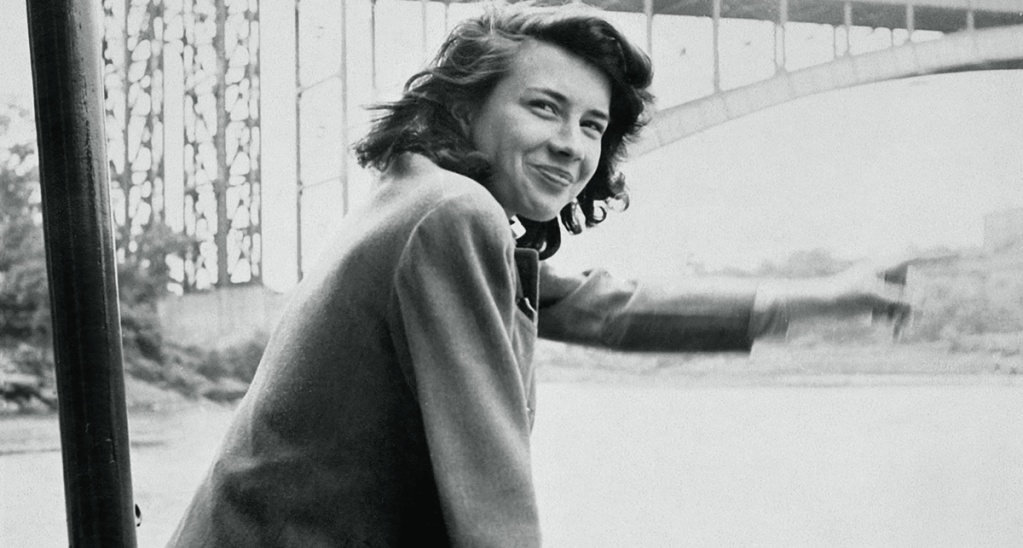
Patricia Highsmith’s recent semi-resurgence due to the new television series I’ll never watch, Ripley (based on her sociopathic and frequently adapted character, grifter Tom Ripley) admittedly frustrated me as I’d been planning on writing and compiling this piece for some time and would have preferred to not appear as if I’m being topical in presenting it. Alas! Time often slips away from us, but the fact remains that Patricia Highsmith’s unique position as a young woman working in a burgeoning new industry during the nineteen forties continues to be worth exploring.
Highsmith is a problematic figure in many ways but, historically speaking, she was a prolific and active presence in the early days of the comic book industry; indeed, as Joan Schenkar, author of 2009’s “The Talented Miss Highsmith: The Secret Life and Serious Art of Patricia Highsmith” said, Highsmith “had been the most frequently employed female scriptwriter during the Golden Age of American Comics“- this, combined with the fact that Highsmith begins in comics the year she graduates from Barnard College in 1942, makes her trajectory all the more compelling. Not even twenty-two years old, Highsmith is both recognized for her talent and patronized for her gender, youth, and beauty.
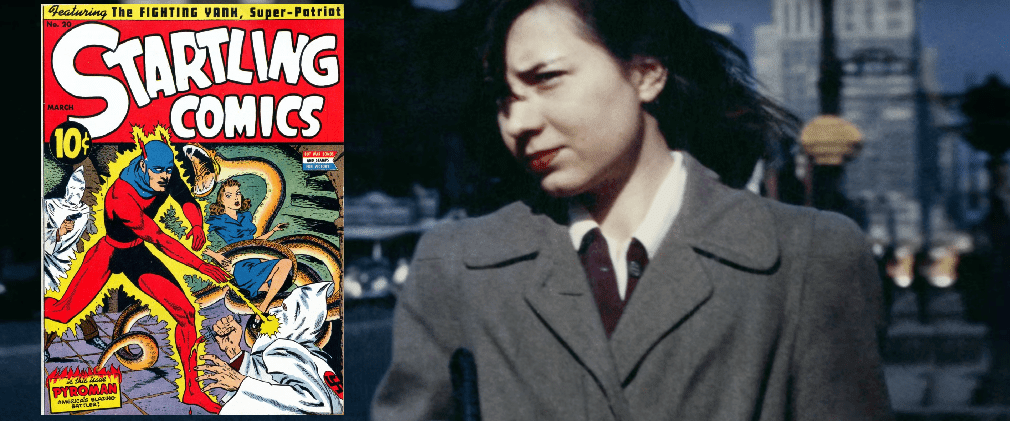
There’s been significant coverage of Highsmith’s career in comic books, (a career she would later downplay in her later years), notably in TwoMorrows’ Alter Ego #90, but the majority of these articles simply reports on where she worked and speculates upon her mood and insight. I found it fascinating when 2021 brought us the massive “Patricia Highsmith: Her Diaries and Notebooks, 1941-1995“, edited by Anna Von Planta, which includes numerous references and anecdotes towards what she was thinking and dealing with while navigating the relatively new industry of comic books.
I’ve compiled several excerpts from these diaries which, admittedly, can sometimes be sparse, seemingly uninteresting, and/or frustratingly lacking in context- but I still think they serve an important function in simply filling in a bit more of the blanks where the era of the 1940s’ New York based comics industry was at the time.
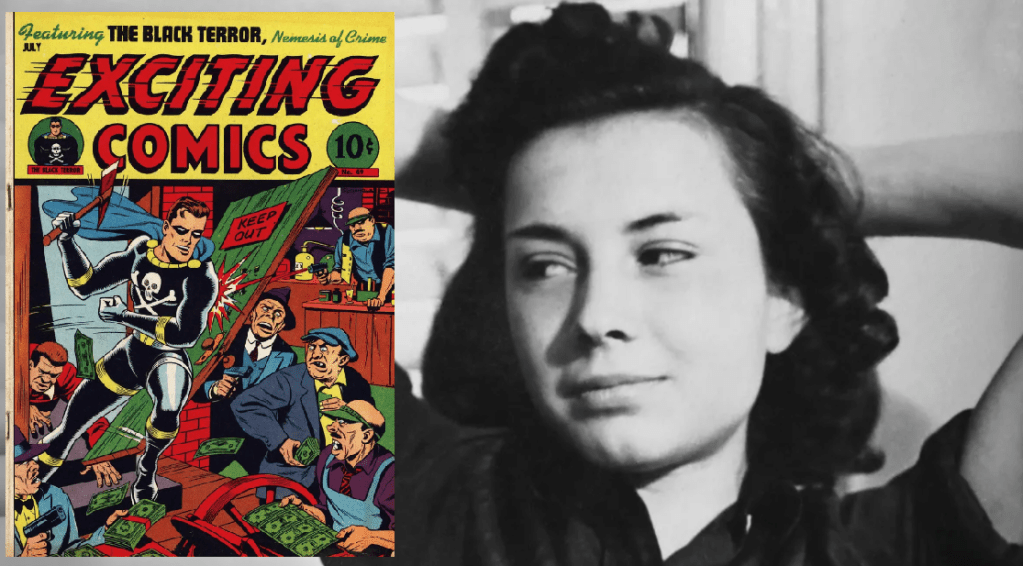
I do wish Highsmith had written more about her interactions with the Editors and Artists she interacted with; we get to see several exchanges with Richard E. Hughes, who would later co-create and write the great HERBIE. Still, I’m thankful for the short and sometimes telling fragments she did leave, and I hope you’ll feel the same.
(I should like to again clarify here that these excerpts in no way represent the full experience of reading Patricia Highsmith’s Diaries, which are rich in their descriptions of her relationships, philosophies, artistic rituals, and resplendent in sharing the bohemia of both the Village artistic community and Highsmith’s own romantic relationships. These excerpts are simply comic related.)
“Went to Michael Publishers (later American Comics Group)- comic monthlies- this morning at 11:30 AM. A man explained the job to me. I’d be a researcher for illustrated stories. Adventure stories in particular. And I’d get to write! I’m happy about it. I was assigned a story on Barney Ross. I’ll finish Friday.” – December 16th, 1942
“I had to go to Cooper Union to research Barney Ross. Very interesting, but it took 3 hours. I worked almost 9-10 hours today, without getting much done at all! I wrote the story, but I’ll have to reorganize it.” – December 17th, 1942
“Good day! Work, work, work! The Barney Ross story is going well. Almost done now, but it’s very late. Called up Mr. Sangor (Ben Sangor, of Standard/Better/Nedor Comics), who told me that tomorrow was fine. “I won’t be able to tell you anything until the end of next week.” (Too bad- nobody hires anyone until after the first!) This week may be the most peculiar of my life- but then I say this almost every week.” – December 18th, 1942
“At 12, after we had stood for maybe an hour and a half at Stern’s, I phoned Mr. Sangor about my story. He said: “I think you have the makings. I have to look at some others & I’ll tell you in 2 days.” So I came home at 2, even though I’d surveyed only fifteen women. Sent my story ‘Uncertain Treasure’ to Harper’s Bazaar. McFadden sent back my other stories. The letter read: “Thank you for your story. I’m so sorry there isn’t any space for it in Harper’s just now, but we’ll keep you in mind.” Crap. But what does it matter. Sangor loves me!” – December 21st, 1942
“Wonderful day but terribly tired. Mr. Sangor called me: I got the job. Will start Monday at 9. 9-5:30 and till one on Saturdays. I’ll make at least $30.00 a week. I’m very happy.” – December 23rd, 1942
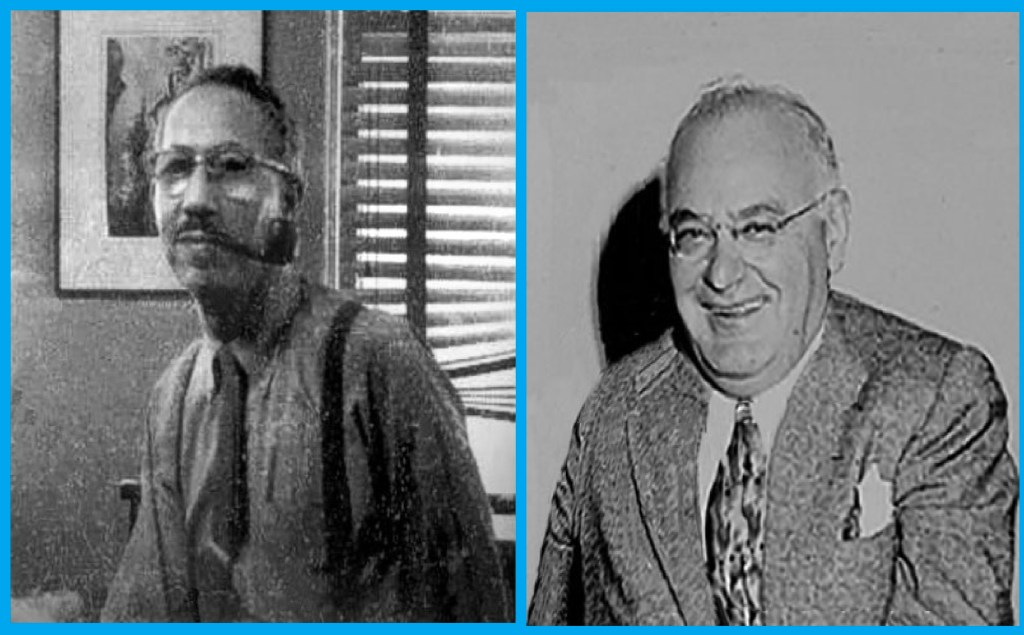
“A good day. (Richard E.) Hughes couldn’t be nicer. I’m busy with the details- then I’ll start writing. Met everyone in the office. And I was happy that it rained all day. I had to go home at 12 because even hamburgers cost .15. No invitations for Dec. 31st. Who cares! I want to be home, alone.” – December 28th, 1942
“A good day but so tired it felt like an ordeal. R.E. Hughes even nicer. I clipped stories from periodicals, magazines, and then put together one frame of “Phyllis the Impregnable Fortress.” I have to write it from start to finish: he wants to teach me slowly.” – December 29th, 1942
“Hughes made me write another four pages. On the SBD (aircraft bomber) in Guadalcanal. “If it’s of any interest to you, I have no doubt you’ll be a good writer.” (Who had any doubts?) – December 30th, 1942
- ‘One of the very few women in the industry, Pat creates superheroes with alter egos and meets the likes of Stan Lee and Mickey Spillane. Although she earns her keeps in comics, her literary ambitions never waver, which might explain why she later keeps mum about this income stream (which ultimately will support her a good six years.) For the time being, her day job enables her to secure her own apartment at 356 East Fifty-Sixth Street…’ – excerpt from Patricia Highsmith’s Diaries: The New York Years 1941-1950, edited by Anna Von Planta

“Hughes wrote a synopsis for the Rickenbacker story- a brilliant synopsis, and I’ll write the story now. I wrote another story, for Fighting Yank, etc.” – January 6th, 1943
“I’m getting more used to the boys at the office. I finished the Rickenbacker story- good work, said Hughes. He’s a good writer, and takes his work very seriously.”– January 8th, 1943
“Stanley Kauffmann from Fawcett Pub phoned me this morning and wants to see me. That means work, which means money. I’ll never be ashamed of this apartment, and I can invite all of my friends there. I also asked for a raise and got it! Hughes will talk to Sangor. Spent tonight at home, where I wrote what may be the beginning of the novel.” – April 5th, 1943
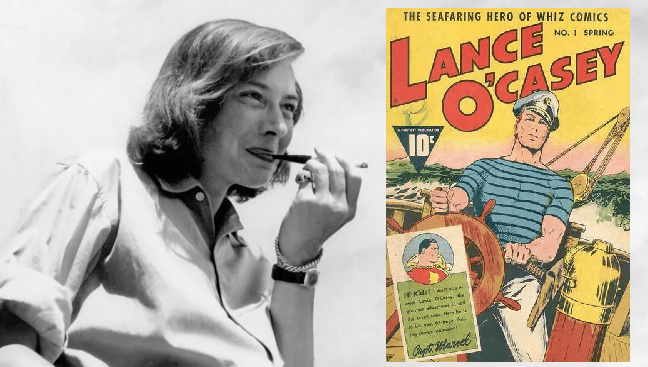
“First- Fawcett at 12:30. Kauffmann told me that my stories had excellent dialogue but that my plots were boring! All the same, he gave me two Lance O’Caseys’ for which I’ll write two episodes. Worked badly, because I’m always tired lately.” – April 6th, 1943
“Dinner with the parents. Wrote a synopsis for Fawcett’s Golden Arrow, though I didn’t get more than three hours of sleep last night. Oh, happy day!” – May 5th, 1943
“I met Stan, who told me that they were expecting great things of me at Fawcett. “We have bigger stuff than Lance and Golden Arrow.” Perhaps, if I write good scripts, they’ll offer me a job.” – May 7th, 1943
“A marvelous day, I spent two hours at lunch! Saw Jack Schiff from Detective Comics on Lexington Ave. He wants me to give him ideas- not synopses- for any character whatsoever.” – May 13th, 1943
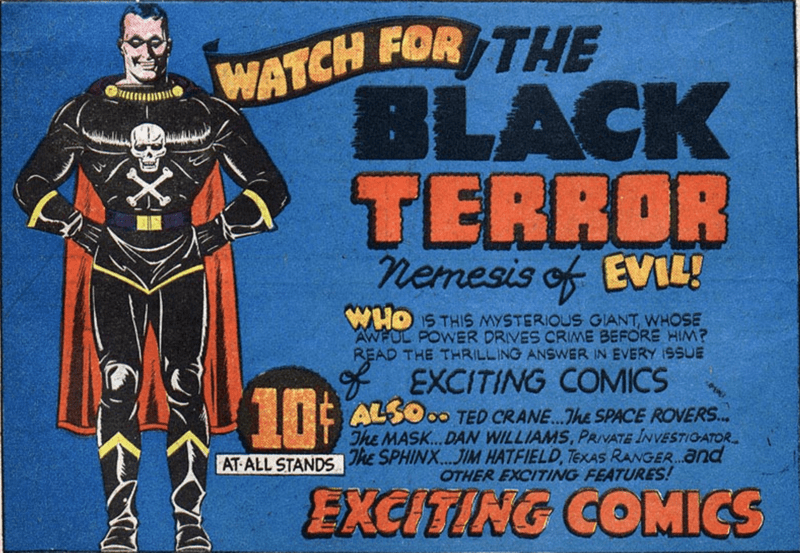
“Worked all day on Black Terror- and saved Hughes about $12.00- he would have paid $37.00 for the job- “piece-work.” Rolf phoned me to tell me that the editor likes my stories and that they’ll buy ‘Friends’- the one about two people who communicate through the subway doors! I’ll make $50.00. Perhaps they’ll buy a story a month. It’s the day I’ve been waiting for for six years, and I am so tired right now that it doesn’t matter.” – May 19th, 1943
“Fawcett sent me four synopses: they took one Spy Smasher. Three rejected: two Ibis and one S.S. I’m happy- 10 pages means $30.00. Tired at the office- I exerted myself too much last week. Allela came by at 5:30. Incredibly enough, she looked at the pictures with a serious eye, and said it would be fun to be an “inker”. It’s awful-!’ – May 25th, 1943
“Worked on Pyroman synopsis today, and every word was torture! But three stories came back for revisions. Must work more slowly without worrying about how many stories I am able to write.” – June 11th, 1943
“Fawcett taking second S.S. and second Lance. That means $54.00. Got good work done, and the longer stories come to me more easily- you can take them further.” – June 25th, 1943
“Today Mr. Hughes reprimanded me for missing two mistakes in a story. Said that I get to work late, take too long to eat, and that I take the job for granted. “There was a nice spirit when you started- you have to hold on to that, etc.” Yes, I was sad, because it was all true and I am so hopelessly bored. Rosalind said: “You shouldn’t stay there too long!” Yes, of course. I’m not going away this summer vacation- I don’t have the money and there’s too much to do here- not in the city, but in my heart and in my soul. I have to look for a new job.” – June 30th, 1943
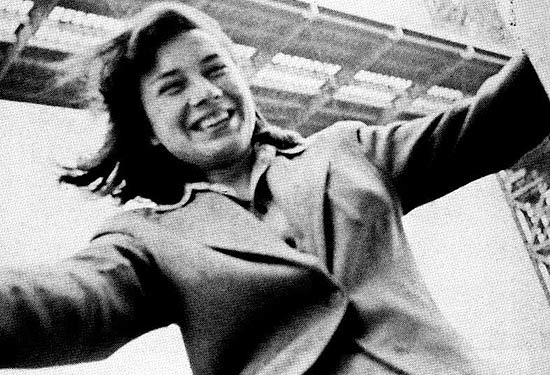
“On this day two years ago I met R.C. at Lola P.’s. A bad day- a day that should have been so happy! Mostly, it was because of money- which disgusts me, but it’s always a problem. Wednesday, I think, I’ll go to Sangor and ask for a raise. I deserve at least $125 a week. I’ll ask for $75.00(!)” – July 19th, 1943
“Nervous at the office. Short conversation at 6:00 about my requested raise. They’re offering $42.50 which almost made me laugh! We need to speak to Sangor again. He wanted me, Hughes said, because I was the “healthy type.” I think there are other reasons- little money and no office. (Aren’t I mean!)” – August 2nd, 1943
“I couldn’t work until I’d asked Mr. Hughes about my raise. Spoke first with Sangor, who’s a bigger man than Hughes. A bigger personality. I felt sick by the time they finally called me into the room, and then Sangor said, I’ll give you (!) $50.00 a week. And that was that. Drank whiskey with Hughes and he told all sorts of dumb stories and shared a few platitudes about Eliot, Wolfe, Steinbeck, etc. And then I went home. My parents are very impressed by my raise, I think. I make $5.00 more than Stanley!” – August 7th, 1943
“Am terribly happy but still got good work done. A new hero. The Champion. Who cares?!” – August 12th, 1943
“Am at work with Dan Gordon. Clever artist.” – August 23rd, 1943
“Gordon drinks. You can tell from his face. He has a strange effect on me: I’m like a sixteen-year old around Clark Gable.” – August 24th, 1943
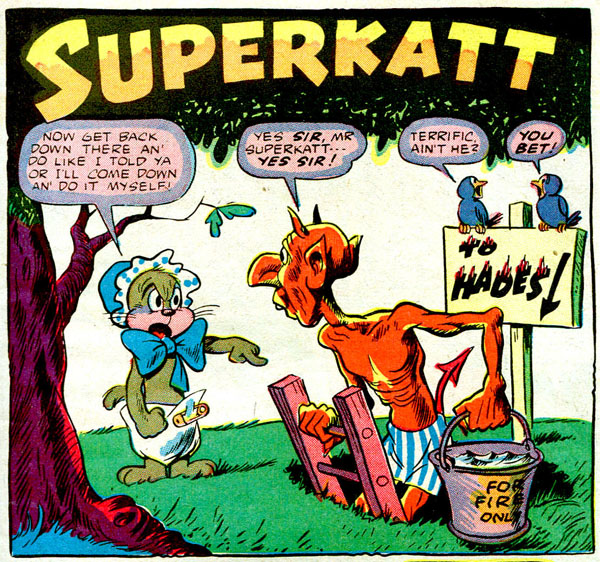
“Went into Dan Gordon’s office to see him. When we were alone, he said I should “join him for a walk at Paramount”; it doesn’t matter, but- but he has a strange effect on me. Want to drink with him. 24 pages this week.” – August 27th, 1943
“Wrote a story for Cinema (Comics) for the first time. Dreadfully moralistic stuff. Jerry says I’m too serious. Boohoo! Cornell says I have what she never will: A creative imagination. I see so many who are much worse than I am! I am good.” – September 1st, 1943
“Conversation with Leo Isaacs, who really is a poet. Writes lots of poems and hates this ugly world of commercialism. Now, that’s a man!” – September 15th, 1943
“Strange day. Leo Isaacs confessed that he tried to reach me on the phone from 4-8 yesterday. He was drunk. And had a hangover. We went to Raffier’s on 51st St. and had 3 drinks (!) and ate. “You are beautiful”, he said. And the first “new person he’s met this year.” Another drink at Cocktail at 4:00, which made for a very short and drunk afternoon. Jerry and Martin doubtless sensed something, but I don’t care. Invited Chloe over for martinis at 6:15. She left too soon- and Leo Isaacs came a short time after. We played the radio. Nothing to say here but that we had a nice evening and drank far too much. He kissed me many times, something I maybe shouldn’t have allowed.” – September 19th, 1943
I tried and failed to find a photograph of comics writer Leo Isaacs, but his becoming smitten with Highsmith is something she deals with on a somewhat regular basis, working in a largely male dominated industry. A social meeting with Stan Lee is inevitably brought up in other articles relating to Highsmith’s comic work, so I’ll cite former Timely Editor Vince Fago’s anecdote about that meeting here:
- “Before Patricia Highsmith wrote Strangers on a Train for Alfred Hitchcock, she wrote “Jap Buster Johnson” for me. Once, Stan came home from the Army on leave, and I took him up to meet her because she was so beautiful. She later moved to France. She’s gone now.” – Vince Fago, Alter Ego #11, November 2001
And, from the aforementioned ‘The Talented Miss Highsmith‘ by Joan Schenkar, who interviewed Fago in greater detail about that fated evening:
- ‘On his eighty-eighth birthday, Vince Fago still remembered Pat Highsmith very well. It was her “beauty,” he said, which struck him first; he thought she was “just amazing,” “a terrific looker.” But Vince was newly and happily married when Pat came to work for him, so he thought he’d introduce Pat to the Timely editor whose post he had taken for the duration of the war, Stan Lee. Lee, now known worldwide as the public face of Marvel Comics (Timely evolved into Marvel) and the godfather of the enduring Superhero Spider-Man, was then a young soldier back in New York on leave from the U.S. Army. Vince Fago took Lee up to Pat’s apartment “near Sutton Place,” hoping to make a “match” between Pat and Stan Lee. But the future creator of the talented Mr. Ripley was not fated to go out on a date with the future facilitator of Spider-Man. “Stan Lee,” said Vince Fago, “was only interested in Stan Lee,” and Pat wasn’t exactly admitting where her real sexual interests lay. Lee, who invokes his failing memory and “murky mind,” remembers only Pat’s name from the incident.‘
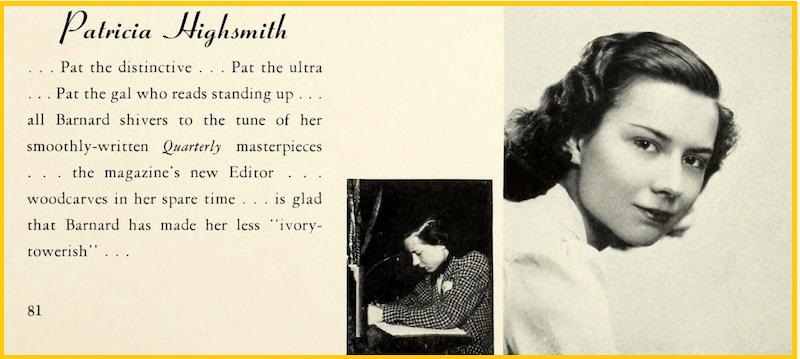
“Nice day- but rather conscious of Leo Isaacs. When I went for coffee at 3:00, he came out of the elevator, and we went down together. Without a doubt, in these two days the entire office already knows about our afternoon. And Marty and Jerry, the two old women, want to know if we spent the evening together. Leo’s fallen in love with me (or so I believe, without pride- but with a certain happiness). He won’t clean his shoes, because I left a little scuff on them! (He’s behaving) like a child- just like I do when I’m in love with a girl, and I like that a lot. “God, you’re gorgeous!” he said as we drank our coffee. And with that, it’s like a nice secret, a private state of being when we’re together, even if the whole world is standing around looking at us. Leo gave me all of his poems and published writing. I want just one evening to myself!” – September 20th, 1943
“Sad, restless day. Felt hopeless at one o’clock- and went to cocktail with Leo. Two martinis. Hamburger, and I confessed to him that I don’t want to go to Mexico because he thinks he’s in love with me. He threatened to break the neck of whomever else I might go with. Two martinis- one brandy, and I felt like a character out of Kay Boyle’s Monday Night. I have to do a lot of thinking about my life. There’s a lot I have to find myself and give myself. And what that ultimately means is- writing.” – October 24th, 1943
“Spoke with Hughes about Mexico. He doesn’t want to let me go, because he says when a writer leaves the company, he never comes back. Too big a time difference between New York and Mexico, etc. Today he dropped all sorts of hints to Camy and Leo, which means: if I go to Mexico, he’ll fire me. Talked about it for too long (with Leo) and broke my nice weekly average.” – October 29th, 1943

“Arrived at the office at 11:30 because I had to get some sleep this morning. My tooth hurt so much I couldn’t fall asleep until 6:00 AM. Hughes very cold when I came into the office. Jerry said that Hughes always comes into my office when I’m not there. He thinks I spend a lot of time out of the office.” – November 24th, 1943
“Pulps versus fine writing: One simply cannot concern oneself eight or even five hours a day with nonsense-taken-seriously and not be corrupted by it. The corruption lies in the very habits of thought rather than the habits of expression: the latter could be overcome, but the former concerns the individual’s self or soul. I have read recently of “the young men who write movie scenarios and comic strips. They are generally college graduates, people who read the classics in their spare time.” Men who know what they are doing, in other words. Perhaps they do. But after a few years, it will be of no use to have dreamed of afternoons browsing in Brentano’s Bookshop, to have snatched an hour before bedtime to read a bit of Sir Thomas Browne, to have congratulated oneself on the immunizing power of a college background. The habits of thought, the power to dream without critical influence, the functioning of an artist, will have been riddled as though by termites- and must collapse!” – December 1st, 1944
“Very discouraged- as is normal when two people at once throw my work back in my face! First Mr. Schiff from Detective Comics, who said my stories were an “old hat.” Next the sketches for Seventeen (magazine), which weren’t very good, to be honest.” – March 20th, 1945
“Visited Timely. Dorothy Roubichek (Woolfolk)- Jewish, very friendly, but dear God, how severe with the stories!” – May 10th, 1945
“The comics are becoming harder to think up. And the cat- sometimes I wish it wasn’t mine! Just now, late tonight, I began writing a story and have great hopes. No title.” – May 17th, 1945
“R.v.H. told me tonight a most interesting situation. His two daughters, aged nine and fourteen are not, he says, developing into people. They read comic books avidly, and have not known the torture of crushes, the agony of self-consciousness and of imagined inferiority- the heronic sense, the desperate, world-ending sense of “I am not like the others”- mine, which to his European mind go on to make the character. How personally it affected me, for I agree with him absolutely! I felt sorry for him, for what he wishes is hopeless. He wishes to make unusual people out of two perfectly ordinary people.” – October 15th, 1945
“Relaxed- just after I told the news to Hughes: that I’ll write fewer comics from now on. “I’ve heard this so many times before I don’t care,” he answered.” – March 9th, 1946
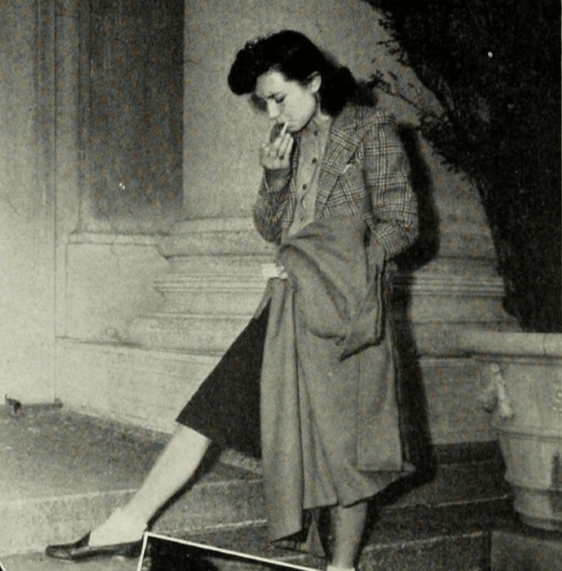
I found Highsmith’s thoughts on her artist friend wanting to make his ordinary daughters into “unusual people” interesting- it almost serves as a precursor to the opinion that the majority of modern comic readers and “geek culture” are largely banal, boring followers in a state of perpetual nostalgia who do nothing but consume.
As it is, Highsmith really did leave comics after 1946 and never looked back, outside of a brief exchange with the historian Jerry Bails years later: she moved forward, finally achieving success with her 1950 novel Strangers on a Train, which would be adapted by Alfred Hitchcock the following year. But her years as a comic book writer certainly had to be good exercise, and from her diary entries we can glean specific things like the practice of editors giving writers a synopsis, the paltry pay rate, the dismissive attitude of bigwigs like Jack Schiff.
Those diary entries remain a tragically small, if compelling, glimpse into an era now long gone, a document of an industry that has expanded to reaches that its architects could barely have conceived of, and that Highsmith herself would barely care about. Her ambitions and her visions were always firmly ahead of the pack.
With thanks to the work of Anna Von Planta, Ali Fitzgerald, and Joan Schenkar.

 Four Color Sinners
What a great article! How cool was she? Loved the excerpts from her diary.
LikeLiked by 1 person
Thanks for reading. Yeah, she had a lot of promise. In her old age, she became distressingly antisemitic which is why I said she’s problematic. The Pat of the Forties though is so full of promise and hope for her creative future, which sometimes makes it harder. But I loved the references to the comics industry of that time and obviously wish she’d shared more.
LikeLike
Aw, that’s disappointing to hear. That kind of hate just eats one up from the inside. Too bad.
LikeLiked by 1 person
She had a lot of disappointments later in life, but that’s certainly no excuse. I have no idea how anyone rationalizes that thought process.
LikeLike
Ripley is a decent show, genre-based show actually.
LikeLike
running out of marvel bashing lmao… block all u want, everybody knows your blog is the loser of fandom! believe DAT
LikeLiked by 1 person
An excellent article! I’ve tried to find evidence linking Patricia Highsmith to ‘Jill Trent, Science Sleuth’. ‘Jill Trent’ appeared in The Fighting Yank #6, in October 1943, while Patricia Highsmith was writing ‘The Fighting Yank’, and Jill Trent may have been comics’ first lesbian heroine (there are no men in her life, and we see her sharing a bed with her sidekick, Daisy). Since Patricia Highsmith was a lesbian, I’ve wondered if she might have written the Jill Trent feature, but I haven’t found anything concrete that could indicate she had something to do with it. Has anyone here ever read something that could validate this theory?
LikeLiked by 1 person
Very interesting, thank you for sharing.
LikeLike
I completely understand your desire not to be topical, but I must advise you against your own inclinations in one respect. The series “Ripley”, by Zaillian, is a piece of brilliant cinematic art in its own right. I know, I know, you are dead set, but sometimes in life you have to try things that you think you won’t like. If you are right, then you have the moral high ground. If you are wrong, you may congratulate yourself on not having let a truly wonderful film go unexperienced.
LikeLiked by 1 person
Madame, thank you for the thoughtful comment. If I may clarify here, at the risk of seeming defensive, which I don’t mean to be- I am not avoiding the “Ripley” series out of some sort of disapproval or smug feeling of moral superiority, I assure you. I am never seeing it for the very simple (and hopefully relatable) reason that I simply do not have the time and inclination to watch ANY television shows.
I know, I know– this lends itself to your assessment of me to “not be topical” and my apparent overwhelming desire to have the “moral high ground” against, er, a tv drama.
Look, nothing could be further from the truth. I’ve heard very good things about the Ripley characters. I see snippets of various shows or headlines of decent reviews and I know for a fact- and am happy to state it for the record here- that I am missing out on many well done and worthwhile programs on television.
Again: I just don’t have the time yet. It’s my loss. I’ll trust the endorsement of Mrs. Blennerhasit that it is very much worth watching.
LikeLike
Nice article, but if you continue on with her diaries you’ll find she wasn’t able to completely quit comics until 1950.
LikeLike
Nice article, but if you continue on with her diaries you’ll find she wasn’t able to completely leave comics until 1950.
LikeLike