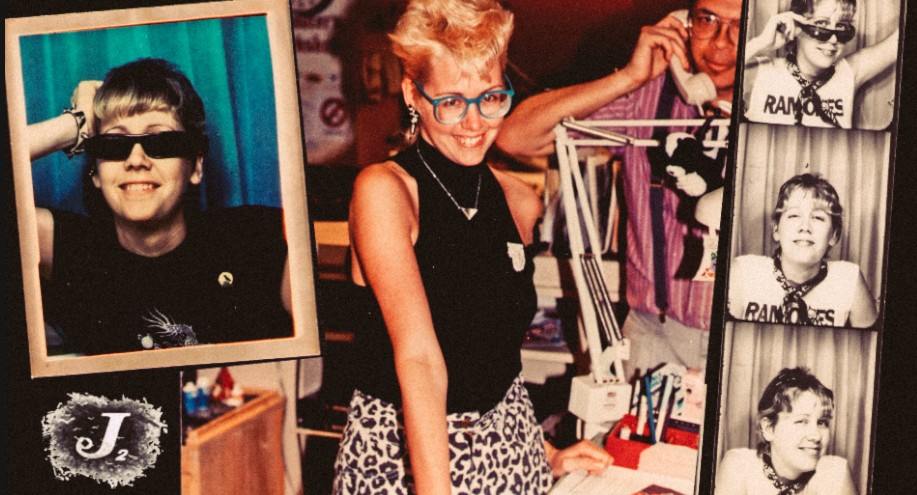
Where does one begin with a creative force and powerhouse personality like JayJay Jackson? Prolific and eclectic, she has worked steadily and consistently as a viable collaborator in nearly all areas of the comic book industry (to say nothing of her work as a graphic artist, designer, and author) while still flying purposely under the radar.
In speaking with her, I was struck by just how relentless her output remains, with multiple projects going on at the time of this article ranging from various and delightful self-published coloring & comic instruction books to a forthcoming book on the history of comic book coloring (which we’ll touch on below).
Of course, Jackson still maintains the late Jim Shooter’s oft-visited blog and is possibly destined to be recognized by the majority of fans for her connection to the legendary writer and editor as much as for her significant body of work. But that’s just another reason to get to know her- far from simply being in Shooter’s significant shadow, her contributions and career in the comic book world began years before she even met him. So, without further ado, here is our conversation with the tater queen herself, JayJay Jackson.
- For better or worse, you’re frequently associated with Jim Shooter on a professional basis, but I believe many people don’t realize you were already working in comic books- and conventions- prior to your meeting Jim. You worked on a prozine and were already a colorist on Elementals, which Comico published for years- what was it like being a young woman in the Eighties comics scene, at least in your neck of the woods?
“Starting in the 70s’ as a comics fan, it was like I had finally found my people after wandering alone my whole life. I’m someone who can get along with almost anyone, but it’s not always comfortable.
When I started hanging out with comics fans and meeting pros it was so natural and effortless. I loved it. It opened the door to a whole new set of worlds; the SCA, playing D&D, going to cons, drawing my own strips. I had read comics as a kid, mostly DCs and Warren (Publishing) Magazines, and later on some undergrounds, but in high school I was more into National Lampoon. A friend gave me a copy of Barry Windsor-Smith’s first Conan comic, and I was blown away. That motivated me to seek out comics again.
Back then, in the mid-70s, before there were comics stores, I used to go to a flea market stall in San Antonio where a guy named Tom Snow sold new and used comics. We got to be friends, and he introduced me to Elfquest when the “little number one” came out (1978). That got me hooked and led to harder stuff. But I always liked the indie comics and black & whites.”
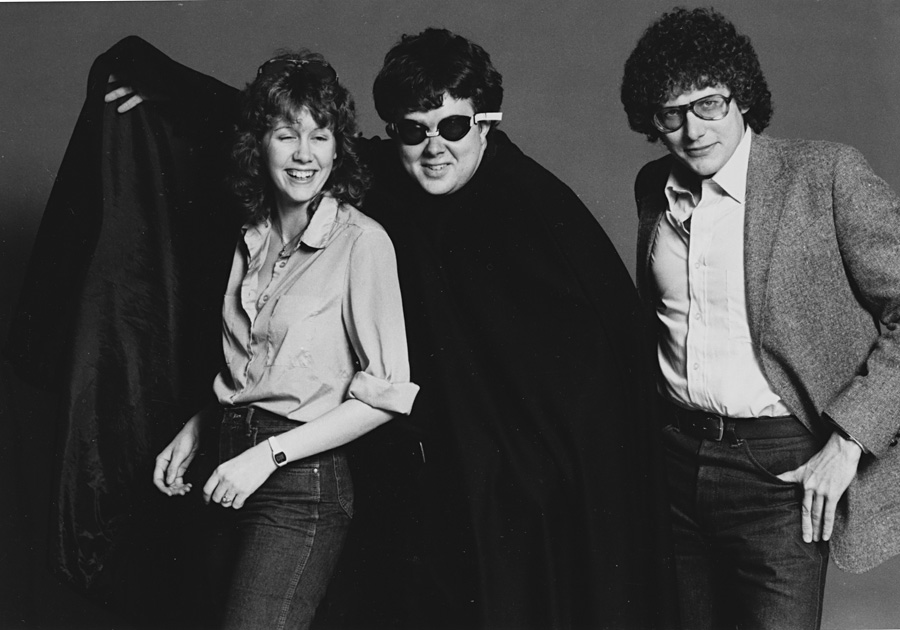
“When I moved to Houston to seek my fortune, I started hanging out with a great bunch of friends at a comic store. They eventually started The Comic Informer fanzine and put on a couple of conventions. Which is how I met Jim Shooter [on] July 28th, 1983.
I was working at the con, checking in dealers on Friday evening. I saw this businessman in a suit walking into the lobby from the elevators and two things struck me. He had such poise, by which I mean a smooth control over his movements and a comfortableness with his body, and he was handsome. I assumed he was not with the comiccon, but he sat down a chair away from me and started chatting with the other guests who were gathering to go out to dinner.
Everyone seemed to know him. He introduced himself after a moment and I spoke with him briefly. I found him charming.”
“I had no idea what an editor-in-chief was, or even what an editor did, but as the weekend went on, we talked quite a bit in our spare moments and hit it off. I drove him to the airport on Sunday evening. He was going on to Los Angeles and then to San Diego Con. As we were waiting in the airport, he asked me to get on the plane with him. Said he’d buy me a ticket and whatever I needed once we got there. Wow. I was swept off my feet. I mean, I was only 25 years old and had not encountered anything like that before.
But I had a problem. I’d been in a long-term relationship with a sculptor, and we had separated but were not officially quits. I couldn’t do that to someone I had spent years with. As I found out later, Jim was in a slightly similar situation. So, I left and wondered if I would ever see him again. The next day I spoke with my soon-to-be ex, and he took it very well. He just said, “Is this something you have to find out?” I waited for four days and didn’t hear from Jim, which made me sad and nervous. I did a bit of social engineering, found out where all the Marvel people were staying in San Diego for the con, and called him at his hotel. Fortunately, he took my stalking very well. Said he’d call when he got back to NYC.”

“So, we kept in touch after he got home. Talked on the phone a lot. I had shown Jim my work, among which were some technical illustrations…he got me my first freelance job at Marvel Comics. I drew the illustrations of art supplies and equipment in the Marvel Tryout Book. We had a first date where we both flew to Virginia Beach for the weekend. Actually, it was kind of awkward since we didn’t really know much about each other. He visited Houston a couple of times and I flew to NYC once or twice over the next year.
Meanwhile, this same group of friends who did Comicfest had started Texas Comics and published the first issue of Bill Willingham’s Elementals. I had painted various things for the fanzine and ads, so I colored the issue. Bill took The Elementals to Comico, and I tagged along. Comico was based in Philly and we both moved up there in 84. I had always figured I would have to move to NYC to get work in publishing, and I guess I thought Philly was close enough. As it happened, it was. Sort of.”
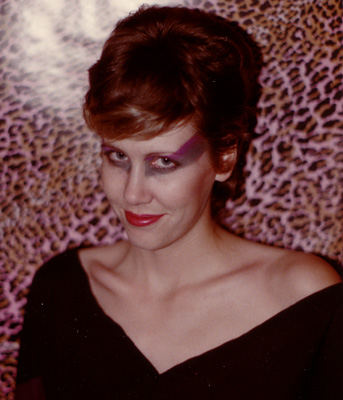
“I was looking for illustration work or graphic design, and at the time Marvel was just starting Star Comics, a children’s line that scooped up a bunch of ex-Harvey Comics people after that company went under. I designed the logo, business cards, and sell sheets to advertise the comics. After that I started doing more and more work for Marvel until Danny Crespi offered me a job as a graphic designer. I tried commuting from Philadelphia, but it was just too much, so Don Daley helped me find an apartment in Brooklyn and I found myself working in the famous Marvel Bullpen. Cool. That was a great time. What a good bunch we had back then.”
- You’d written before about reading a description of yourself as “Jim Shooter’s personal assistant,” which wasn’t quite true but didn’t bother you regardless. For the benefit of an audience who might still see you that way or be wholly unfamiliar with you, how would YOU summarize your vast and varied career which spans more than the easy label of being Shooter’s ‘blog elf’/assistant?
“I started trying to get illustrations published in high school. I had a couple in ads in a local newspaper. Later I sent drawings to The Space Gamer magazine, since I knew the publisher Steve Jackson (no relation) through my activities in the SCA, and he included a few in some of the issues. I had been working as a mapmaker for various companies and doing graphic design when I got involved with doing comics.
My comics CV is varied and not all of it is with Jim. At Marvel I did not work for Jim, but for Danny and then Mark. Here’s what I can remember:
1981-82 The Comic Informer magazine – designer, illustrator, comic strip artist
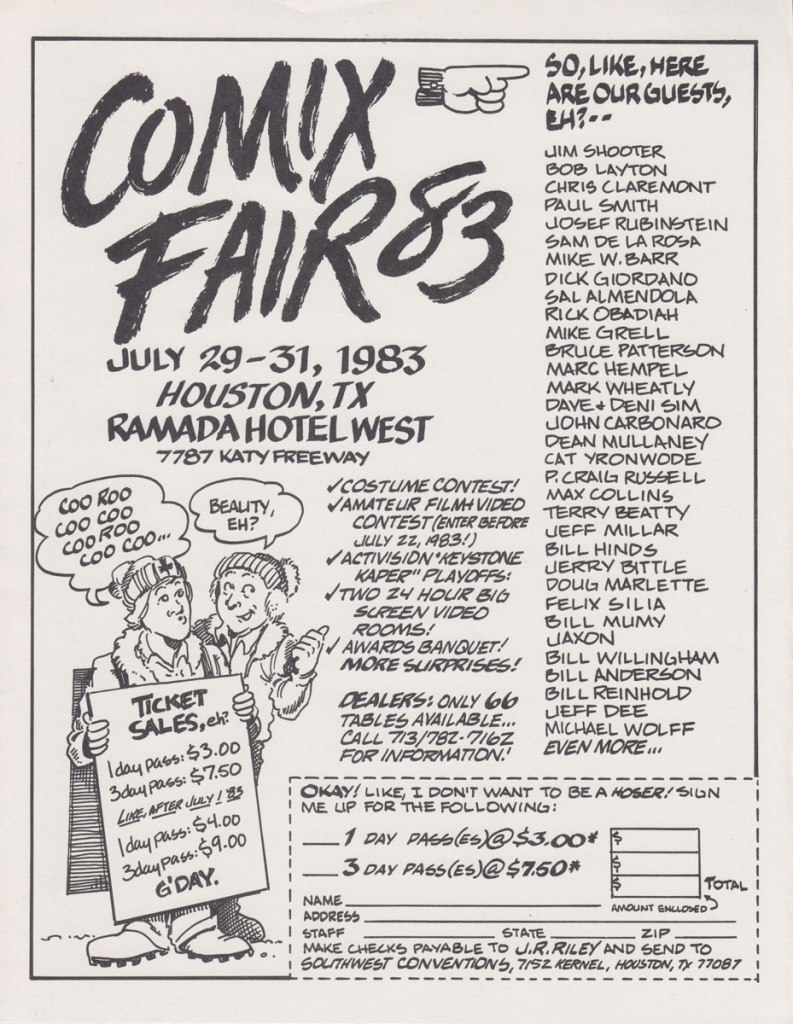
1983 Comix Fair Comic Book Convention – security
1983 Texas Comics – colorist on The Elementals
1983 The Marvel Try-Out Book – technical illustrations
1984 Comico – colorist on The Elementals

1984 Bain Sidhe Studio – artist and designer
1984 Marvel Comics/Star Comics – freelance designer
1985-86 Marvel Comics – staff graphic designer/colorist
1986 – Evison Digester custom comic – Editor, Art Director, Production
1986-88 Marvel Comics – art director of advertising
1988-89 Marvel Comics – freelance colorist and designer
1988-89 DC Comics – freelance production and design
1989-91 VALIANT Comics – artist, designer, editor, marketing, production
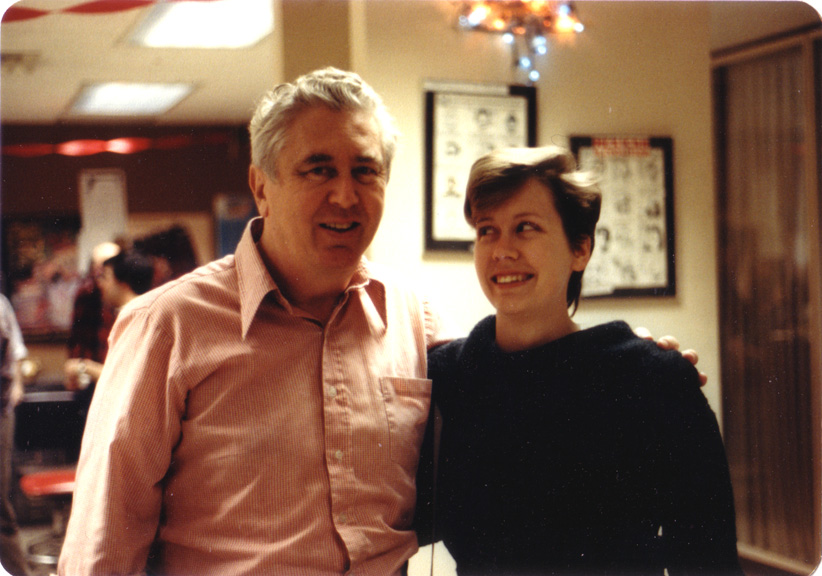
1991-92 Milestone Media – production consultant, colorist
1992-94 Defiant Comics – designer, editor, writer, colorist
1994-95 Broadway Video – intellectual property development on Harley-Davidson
1995-96 Broadway Comics – executive editor, art director, writer, production, web designer, multimedia
1998 Daring Comics – logo designer, kibitzer
1998 Pantone custom comic – colorist
2003 Icon Comics – logo designer, sounding board
2004-11 Illustrated Media – freelance web design, production, colorist for custom comics
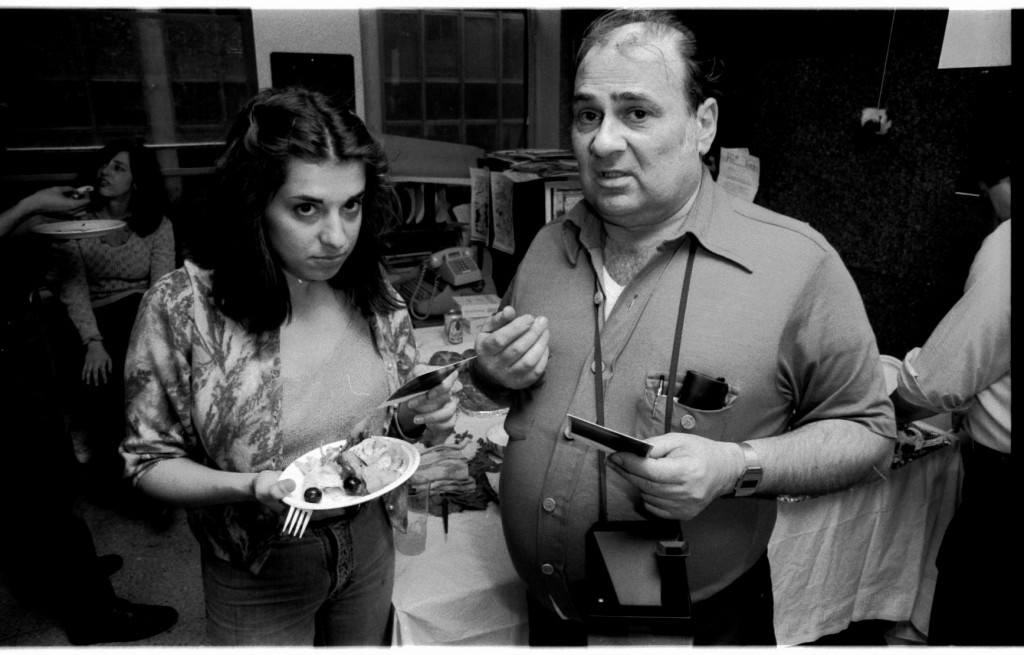
2006-08 TGS Inc – writer, developer of web comics and video games, logo designer
2007 Seven Comic Book – website design, production
2011-12 Jim Shooter.com – blog elf, admin, and dogsbody
2012-13 Adam Post Media Group – book designer, illustrator, letterer, writer, comic artist
2012-25 Papercutz – Mad Cave – Colorist on Ninjago & WWE, writer & artist on Stardoll, production & design on lots of books
2022-24 Z2 Comics – Pin-ups and comic art on Blondie, Weird Al Yankovic, Motörhead
In between comic industry jobs I’ve worked in advertising and in the music industry.”
- You were living in Philadelphia around the time Marvel began courting you; where did you hang out? South Street? What was your nightlife like as someone involved in the scene?
“I lived on South Street and shared a 2nd-floor art studio on South Broad with Bill Willingham, Matt Wagner, Bill Cucinotta, and other Comico guys. I don’t remember much about the nightlife. I didn’t explore Philly nightlife much, but I did very briefly date a guy who lived there, a catalogue model I met on the train. I hung out once in a club with that guy, but I was put off by his drug use. I was kind of one of the early straight edge punks. I don’t recall finding much of a punk scene in Philly back then, in ‘84. But I was also working a LOT and looking for work.
I do remember being introduced by Matt Wagner to Philly Cheesesteaks, though. Wow. So good.”
- As you mentioned earlier, you were hired for STAR Comics which Marvel directly created as a result of Harvey Comics deciding to close up shop and not license the Harvey characters- did you have any greater ambition to work on “real” characters (i.e., Marvel super-heroes) or were you just content to have a regular gig?
“STAR Comics was my first freelance for Marvel after I moved north, but I was soon hired by Danny Crespi, the production manager. Once I was on staff, my regular gigs were design and production on Marvel Age and Doctor Who magazines, as well as doing house ads and filling in on whatever else needed doing. I started taking on coloring work at night right away, too. I didn’t get any regular books at first, but often an editor would come into the bullpen at the end of the day and be looking for someone who could color a book in a night or two. I pulled quite a few all-nighters.
I don’t know that I had ambitions to work on any particular books… I was more focused on doing my own illustrations. I even tried a bit of inking. I also started taking night classes at SVA. Marvel had a program where they paid half the cost of the class if it was related to your job in some way. I did do a few simple illustrations in the Doctor Who magazine. I had bugged Jim Salicrup to let me do some and he said there was no budget for color separations on the text pages. So, I did the illustrations and the separations myself. In fact, the illustrations were the color separations. I cut or drew each overlay myself out of Amberlith© and on acetate sheets.
Back then my dream was to be an illustrator and a painter like my heroes Frank Frazetta, N C Wyeth, and Michael Whelan. I’d love to include J C Leyendecker as well, but I could never dream of being that good. I took painting classes at night to further my ambition of painting book covers and magazine illustrations. But there was a troubling trend toward abstraction happening in the illustration field at the time and I don’t really like or do that style. I was not finding enough illustration work to live on.
One of my painting teachers, an illustrator named Bob Shore, was impressed by my work and wanted to hire me as his assistant. He said I was only the third student he had ever asked. I wanted to do it, but I was making pretty good money at Marvel, and I couldn’t figure out how to live on half of that. I think about that sometimes and wonder what might have been.”
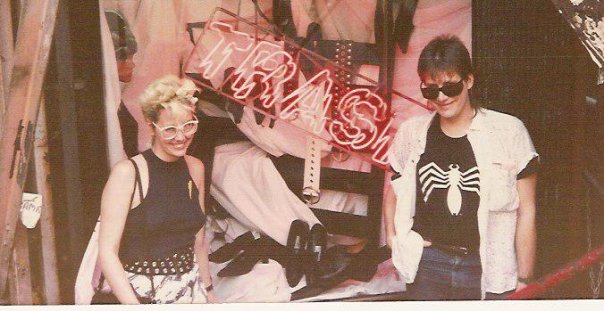
- With Marvel work and taking classes at the School of the Visual Arts, did you have any time for a New York nightlife in the Eighties? If so- how? (I’ve read of the late nights like the one you mention above where you pulled to help color an entire book, for example)
“Once I moved to NYC, I was out at CBGB, Danceateria, The World, The Pyramid Club, The Tunnel (before the Wall Street creeps infested it) and all sorts of Village music dives. Often multiple times a week. Once the clubs close, we would head to Save The Robots, an after-hours club in Alphabet City. I loved to dance.
I sat next to Jim Salicrup in the Bullpen, and he was the editor of both Marvel Age and Doctor Who, so we worked together. I found out he liked to dance, and we used to go out dancing quite a bit. When I wasn’t coloring or taking night classes. Years later Salicrup and I started taking ballroom dancing and swing dance classes together. We did that for years and used to go to swing dances pretty often.
I did not sleep much in the 80s, or the 90s for that matter. “I’ll Sleep When I’m Dead” by Warren Zevon was kind of my theme song.”

- You mentioned something in passing which surprised me, which was that you didn’t meet Shooter until 1983 but already knew Jack Kirby a couple years before. Was this just in the context of seeing him at conventions?
“Around 1980 or 81 I was somehow volunteering to work at a convention. I don’t remember how that came about, but Wendy and Richard Pini were going to be guests, and I was offered the job of picking them up and escorting them around. I was over the moon! I was a huge Elfquest fan. Still am. I was excited to meet them, and I had the best time talking to them over the weekend. They were both so nice. I still have the sketch Wendy drew me. That’s a treasure.
Well, Jack Kirby was also a guest and Wendy knew him. I was following her everywhere and she introduced me at an after-hours party the convention held for guests. It was kind of a shock because Jack seemed tired and confused. Roz pretty quickly whisked him out, but I remember Wendy seemed very sad about his condition.”
- Were you already at that time helping bands with gig flyers and things of that nature?
“Not back in Texas, but once I got to NYC and started meeting musicians, I started doing different things for them. All sorts of stuff, from working on costumes to designing flyers, logos, and t-shirts. Some postcards. It’s hard to remember it all. I came to NYC to work, and I was all go on it. It was very exciting.”
- You’ve shared that you and Jim Shooter were actually dating for a while. If I may ask, did he talk about work-related matters with you often during your relationship or did he tend to leave that at the office?
“Oh yeah, there was no such thing as work-life balance or boundaries. Fuck that shit. We spent a ton of time together and talked about everything. We grew really close. We were good friends. Sometimes with benefits. TMI? Whatev.
The story of our relationship isn’t a love story. It’s the story of two people with a lot in common, figuring out how to have a lifelong friendship. And that wasn’t a straight path, but Jim was more influential on me than my own parents and I loved him with all my heart. I’m so grateful for his support and mentoring. I wish I felt more deserving of it, but I feel lucky to have had him in my life.”

- Did you get any flak from anyone at Marvel for being “involved with the boss” or did you both keep that under wraps? The politics at any comic publisher can be hazardous, so I can only imagine.
“I definitely got flak and had problems because I was close to Jim. But I got flak from my friends at Comico and other companies for “toeing the company line” when I started working for Marvel, too. Like, it couldn’t be that I had inside info, oh no, it had to be that I drank the Kool-Aid. But I’m not someone who keeps my life private. I’m an open book. I’ll keep other people’s secrets safe, but I have none. So, yeah, it was out in the open.
Some people did not like me because of Jim. At least I assume it was because of that. Hey, maybe not. Not everyone is going to like you in life, no matter how delightful you are. Haha.”
- How did you navigate the inevitable dynamic of male co-workers within the comics industry developing crushes and putting you on pedestals?
“I was considered Jim Shooter’s girlfriend and he was the boss, so all the guys were very gentlemanly. I think they probably would have been in any case. We had a great bunch at Marvel. One of my favorite people in life, James Fry, started at Marvel around the same time I did. We are still friends, too. It’s still great to see (almost) all of those guys!
I was just at an FF [Fantastic Four: First Steps] movie screening and a bunch of the old bullpenners were there. Jack Morelli, Greg Wright, Jim Salicrup, Dan Chichester, Nel Yomtov. Larry Lieber was sitting behind Salicrup and I. It was a great place to work, really good people.
In reality, Jim dated freely, we weren’t exclusive, but he was very private about his personal life so I don’t think people at work knew about that. I also think I was more like “one of the guys” as well, so it didn’t seem to be a problem. I came to NYC for a career, not to snag a man, so work was my main focus. I’ve never been a home and family person. I just like to work. I love creating stuff.”

- I’ve always appreciated anecdotes about the unsung workers of the comics industry, like Danny Crespi and Morrie Kuramoto- and I’ve always dug your story about Morrie making you severe health drinks of raw vegetables. How did the production staff view Shooter when we’ve heard so much about creators butting heads with him?
“As far as I knew, people in the bullpen liked Jim. It was a couple of editors and the freelancers who worked for them who seemed to disagree with him. Jim treated the rank and file very well, and I believe they appreciated it. I could be wrong. It was no secret that I was on Jim’s side, so folks seldom said negative things around me.
Jim absolutely loved production manager Danny Crespi. They used to go to lunch together all the time. And I got it. Danny was one of the most lovable people I’ve ever met. I was kind of jealous that Jim got to have Danny all to himself most lunches. But they were good friends and used to joke around all the time. Those two men were very silly. That was the side of Jim Shooter that only friends saw. I recently found an old answering machine tape from the 80s. Jim used to call and leave funny messages when he knew I wasn’t home. I think he really worked on them.
Some were like comedy bits. One time he called to leave a message, and I was unexpectedly home. He made me hang up and let him call back to get the machine so he could leave the joke message he came up with. What a wackadoo.
And Morrie was such a character. You couldn’t help but love him, except for the smoking. He was into all this health stuff, like vegetable juices, but he smoked and spent lunchtimes at the OTB, Off Track Betting. He was so sweet, though. He really cared about the people he worked with. When I was sick one time (probably from never sleeping) he brought me a special antioxidant concoction of fresh fruit and vegetable juices from the juice bar he went to every morning. I tried to drink it, I really did. But it was so vile. I think I managed about half of it and then snuck it into the bathroom when he wasn’t looking. But I thanked him profusely (and I really did appreciate the thought) so he brought me another one the next day!
Argh! All I wanted was coffee.”
- I was surprised that Shooter had some head shots made- I assume this was after appearing as a heavy in Neal Adams’ independent film Nannaz- and enjoyed singing. Can you tell us anything about the man’s musical tastes? I’ve got to imagine he didn’t go to CBGBs’…
“Jim Shooter did not go to dance clubs with me. Ever. Not his thing. I do remember a couple of times we danced at parties. He was a good dancer, but he didn’t love it like I did.
Jim had headshots made after he was “discovered” in a midtown restaurant by a director. The director came up to Jim and introduced himself, gave Jim his card, and said he wanted to speak with Jim about being in a film he was getting ready to make. Jim called the guy, went through some sort of casting process, and was set to be in the film as a “big, dumb thug,” as he put it. I think the movie was called “Hiding Out”.
And I think Jim was going to take some vacation time to go and do the film. Maybe in Florida or somewhere down south? Can’t remember. They eventually ended up casting a professional actor, but Jim had gotten those cool headshots taken. They were nice.”

“I don’t remember Jim listening to music a lot, but we talked about it. Probably because I’m into music. He liked classical music because he could listen to it while he was writing. I think he liked a lot of 50s’ music. He had a whole thing with “Duke of Earl”. (laughs) He’d sing or write or send the lyrics somehow for people’s birthdays instead of the Happy Birthday song. He sent someone a telegram with the lyrics one time. That was a funny conversation with Western Union. But he had grown up listening to his mom sing standards and show tunes. He liked some of that, too.
He had seen the Superman musical on Broadway on his first business trip to NYC (at 14) and he could sing every word of every song. He’d been in a local theater group back in Pittsburgh and had been in a couple of productions. One was “Bells Are Ringing”, and he used to sing some of those songs. I loved to hear Jim sing, and I liked to sing with him. He told me he used to sing “You’re Just in Love” from “Call Me Madam” with his mom.
I learned it so we could sing that duet and to this day I’m an Ethel Merman fan because of Jim.
Now I’m remembering that we went to some sort of 50s-themed dance together once. I really wanted to go and sewed him a 50s style shirt. Since he was so tall it was impossible for him to buy one that would fit him. I don’t remember if that was at a club or a party. Wow, I haven’t thought about that in a long time. That was fun. Jim was a reluctant, but a good dancer. He was athletic, so he had balance and control over his body.”
- During the mid to late Eighties, arguably the biggest story in the industry was Marvel’s policy on not returning Kirby’s original art. Insomuch as we now know that Shooter was at the whims of Marvel’s corporate owners and had to tow the company line to an extent, can you see how the optics of that made Jim appear in the eyes of fans and other professionals? Could he have done anything differently?
“Was it the big story? Maybe if you read The Comics Journal. That was their thing. That controversy sold them a lot of magazines. I think there was a lot going on in the Eighties.
I have no idea about the Kirby art. I’ve heard many different stories from a number of people who worked at Marvel in the Sixties and early Seventies. Art returns weren’t a thing that happened regularly. I’ve been told they used to give out old art pages to people who came to tour the offices. I’ve heard boxes of art used to disappear from the office. I heard one story where a Marvel storage space or warehouse flooded, and they used pages to soak up the water. I don’t know if that’s true. Ditko used his old art as cutting boards and then tossed the pages. It seems like nobody cared about the art back in the old days. Until they did.”

“But Jim got blamed for any policy Marvel had and everything they did whether he had anything to do with it or not. I guess he was the public face of Marvel. The execs upstairs sure weren’t. They didn’t even seem interested in comic books. Jim got a call from Marvel’s head of licensing late one night asking if Marvel owned Wonder Woman. She was out to dinner with some clients. I mean, WTF, right? All the Marvel staff got copies of all the comics delivered to them every week. Many of the ones upstairs were proud that they never read or even opened them. They did occasionally flip through the stack, though. I think it was Galton who pitched a fit over a White Queen cover he noticed… months after it had shipped.
I don’t know what Jim could have done differently. I know that he used to take the blame for stuff even when it wasn’t his decision. He seemed to think that was part of his job. I can criticize how he handled things, but Jim was smarter than I am. He probably saw angles to situations that I couldn’t see.”
- Not to sound provocative- especially as I was like six when it was happening in real time- but wasn’t The Comics Journal at that time a fair representation of public and professional opinion on the matters of the Kirby art return? I know I’ve seen many pros sign petitions in support of Kirby shared in those pages, as well as letters sent in from fans outraged at Marvel’s apparent treatment… are you suggesting that it was just one component of the buying public, one component of the industry?
“The Comics Journal that I remember from the 80s was very much a scandal rag and extremely prejudiced against Marvel. Didn’t they coin the term “Marvel Zombies”? I’m sure lots of pros did sign their petitions; pros were probably afraid they’d get slammed in print by the Journal’s vindictive editors. It’s a realistic fear. Once something is printed, it seems to live forever. And naive people think “they can’t print it if it’s not true”. I used to work with a woman who said that about the Star and the National Enquirer. Crazy. The woman believed in alien babies. But I can’t recall other pros thinking the Comics Journal was anything but yellow journalism.
At some point in the 80s someone we knew got ahold of their monthly sales figures and showed them to Jim. The issues where they trashed Jim and Marvel in the most extreme, nastiest ways seemed to sell the best. So, I suppose they were motivated to continue in that vein and find new controversies to exploit. Rabble rousing is still a popular media trick to get attention, and the Journal worked that trick hard.
I can’t say I was ever a big reader of any of the magazines about comics. My tastes tended to be too eclectic to bother with mainstream news and too specific to bother with reviews of popular books. Once I was working at Marvel, I became aware of the Journal’s attempts to make as much trouble as possible, but I don’t think they had much effect on anything anyone at Marvel did. When you are in the public eye, you learn how to take hits and keep rolling.
I think there was a magazine called Comics Scene that was more professionally produced, wasn’t there? I remember that one as being more interesting and better quality. I would have thought that magazine sold much better and was more influential. But I don’t know. And I have no idea how fans viewed it at the time.”
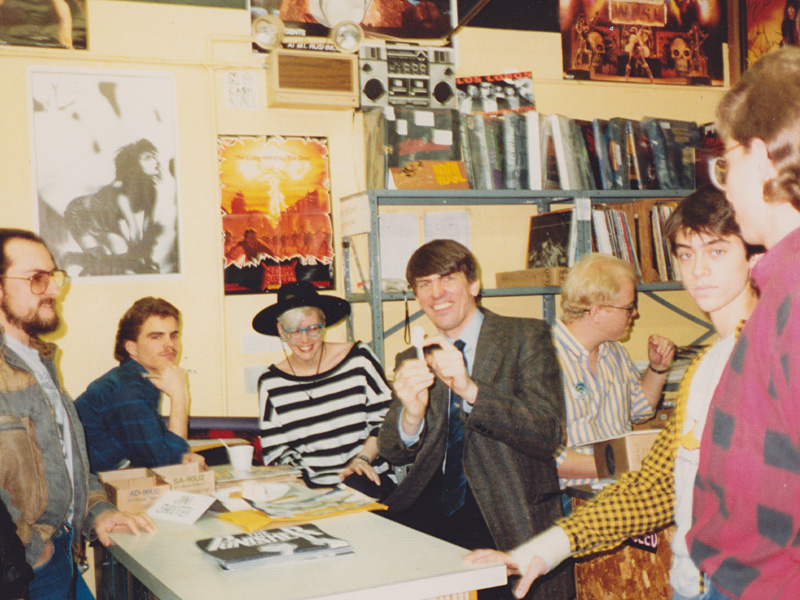
- When Shooter was fired from Marvel in 1987, you were on staff. What do you think would have happened if you had stayed with Marvel and not eventually gone with Shooter when he formed VALIANT?
“At the time Jim was fired, I had been promoted to Art Director in the newly formed Advertising Department. Funny story, when the Advertising Director was first hired, he was not comfortable hiring me because of my close relationship with Jim, so I filled in, doing the job for six or eight months, while he interviewed for an art director. He couldn’t find anyone and so he ended up promoting me into the job permanently. It seemed to be going well, but when Jim was fired my boss saw the situation as a conflict of interest for me and let me go. I wasn’t upset. I understood his point of view and it was just a job. It wasn’t my dream job. I still wanted to be an illustrator.
So, there was no staying on staff at Marvel. I just started freelancing doing different coloring and design jobs for Marvel, some production work at DC, and I worked at a bunch of different ad agencies around the city. I still kept trying to get illustration work, but it was elusive. Or maybe I just wasn’t good enough.”

“I did start experimenting with new ways of coloring art while I was at Marvel. People had tried coloring on photostats for years, but they were very difficult to paint on. Color guides were painted on photocopies. I did a few painting jobs on bluelines, some posters and some stories. I bought an industrial light unit to expose blue lines at home so I could experiment. But there were a number of technical challenges to overcome to make bluelines cost effective to color separate. I can’t get too technical here, but laser separations were becoming a thing in the late 80s and that became the goal.
I was buying all sorts of different papers at art supply stores and trying out different ways of transferring the art to the paper and painting it. Jim was aware of my efforts and when we started VALIANT, one of the first things he did was focus on developing what became the VALIANT coloring system. But I’d already been trying stuff at Marvel. We just perfected it for VALIANT.”
- As you’ve obviously read all of his accounts and explanations on his blog, I feel I must ask you: could Shooter have done anything differently with creative staff? Should he have? Or were they simply too indulgent and too spoiled from a looser environment before Shooter was placed in charge, too flattered from the growing fan press and convention subculture (to adhere to structure)?
“I felt that Jim made mistakes at Marvel. I wasn’t shy about telling him what I thought. Neither were a few other friends. Marvel had a couple of editors who were actively undermining Jim. A number of people told Jim about what these people were doing and urged Jim to get rid of them. But Jim said he had no proof and wouldn’t fire someone based on rumors and hearsay.
We also later found out his supposed friend and second in command was upstairs telling execs they didn’t need Jim and he could do Jim’s job better. He got Jim’s job. Turned out he couldn’t.
I guess you could make the assumption that Jim trusted people, but that’s not true. He’d been used and betrayed since he was a teenager. He knew to be wary. But he always wanted to treat people fairly, unlike how he had been treated. I thought he took it too far. I believe he would sometimes let a problem or disagreement slide until it built up too much, and then he’d get angry. That’s just my opinion. He would disagree and have a different perspective––I’ve argued with him enough to know. But that’s my take. I think he really wanted things to work out and for people to see the sense of what he tried to tell them. But that’s not how people are. Some people will not see your point of view, no matter what.”
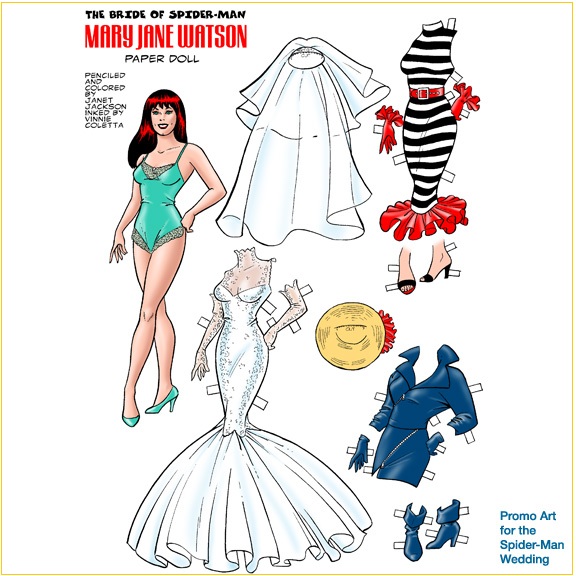
- Are there any sort of residuals from Marvel for you or other production artists and designers when past content is collected? After all, you did significant work for the famous Spider-Man/Mary Jane Wedding event which I have to imagine has been included in an omnibus by this point. The Marvel Try Out Book, and so forth- if you’re not getting royalties in some capacity, that’s terrible- but sadly not surprising!
“On regular Marvel comics, no. Colorists and letterers were not considered to contribute to the sales of the books, so they were not included in royalties. But I worked on Alien Legion and those books were creator-owned. My contract on those issues included a share in the royalties.
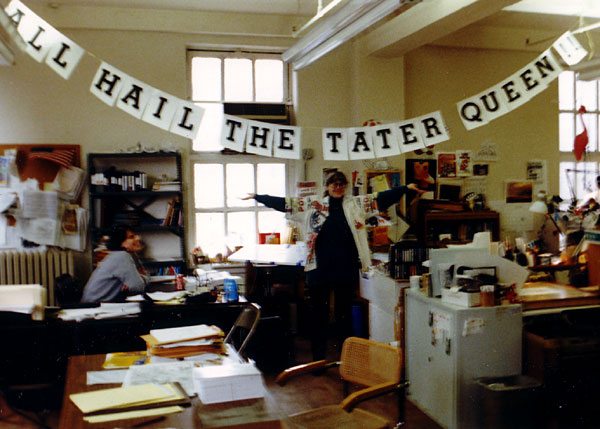
Jim’s hands were tied at VALIANT because it was funded with Venture Capital. Jim tried to make up for what he considered unfair pay and a difficult work environment by organizing parties and fun events. Some notable ones were Jade Appreciation Day and the Tater Queen celebration (I was The Tater Queen). But at Defiant Jim had more leeway and made sure people got royalties. Warriors of Plasm helped me buy my mom a house and get her out of an unhealthy situation. I cannot express how grateful I was for that. Seriously. My mom was able to live years longer and be happier because of that.”

- You shared with me your goal of keeping Jim’s blog alive for the next several years. I agree his recollections and shared documentation of his time in comics is an invaluable resource. Would you consider any sort of crowdfunding toward this goal? How can fans help keep Jim Shooter’s legacy going?
“I have been selling some comics and accepting donations, and I’m very happy to say that as of now the blog is paid up for the next five years. I will certainly be adding to that. My goal is to pay it up for 8 years, which seems to be the limit.
I’m hoping to figure out how to turn the blog into a book, but I’m not sure about the legality surrounding that, so it’s something I will look into. In the meanwhile, I’m posting some fresh content to the blog. There’s some stuff Jim declined to post for various reasons, all of which are moot, now.
If I have news about new projects, I will post it to jimshooter.com and on my social media, Facebook facebook.com/jayjay.jackson and Instagram: @jayjayzee
- Was Jim’s prolific convention schedule due to his awareness of his diagnosis? He seems to have been going on at a busy pace, meeting fans, signing books, up to the end. What were the last days of Jim Shooter like? (I know that’s a heavy question, but I don’t mean it like Albert Goldman or something.)
“Jim didn’t tell me he was sick or how bad it was. For the last 10 years or so we haven’t been working together much. I’ve been doing various things, mostly not related to comics, like starting a silkscreen business about 15 years ago, but also freelancing for Papercutz and Z2 Comics.
More recently, I’ve started self-publishing, and Jim was very helpful with editing and feedback, but self-publishing is unlike the business model Jim knew and understood. The business has been a learning curve for me, and I’ve been very wrapped up in it.”
“I heard last year from Jim’s business partner that he had a tumor on his esophagus that was inoperable but that he had radiation or chemo or both for it. I spoke with him in 2024 about a project I was working on, a history of comic book coloring. His input was amazing as always. Jim was an amazing vault of knowledge and experience.
Then, I was busy, he was travelling, and time slipped away. At Christmas he wrote that he’d been feeling better, undergoing new treatments, and had been working more than sleeping for a change. I thought he was on the mend. I hoped. But his cancer came back and apparently the doctors didn’t catch it or didn’t correctly read the MRI, or something. I haven’t gotten the whole story. So, Jim’s death came as a shock. Pretty much to almost everyone.
It has been bothering me a lot that in our most recent email exchange, he mentioned that I could call if I wanted to talk. I didn’t. I thought we had time. I don’t know why he didn’t tell anyone how sick he was, even me. I don’t know if I can make sense of a world without Jim in it. The loss is too big. It hasn’t quite sunk in yet.”
- Is coloring a lost art?
“Mostly. Clarity and storytelling used to be the focus of comic book coloring and that no longer seems to be the case in most of what I see. Not that I see much. I seldom look at comics anymore. It’s painful to look at a lot of what is done in comics these days. One of my pet peeves is how modern colorists will color things so dark that the artist’s linework is all but obliterated. It seems so disrespectful. Comics used to be a team effort with each person respecting the other members of the team. Letterers didn’t used to cover up important story elements (usually) and colorists knew all sorts of ways to complement the art, instead of overwhelming it.”
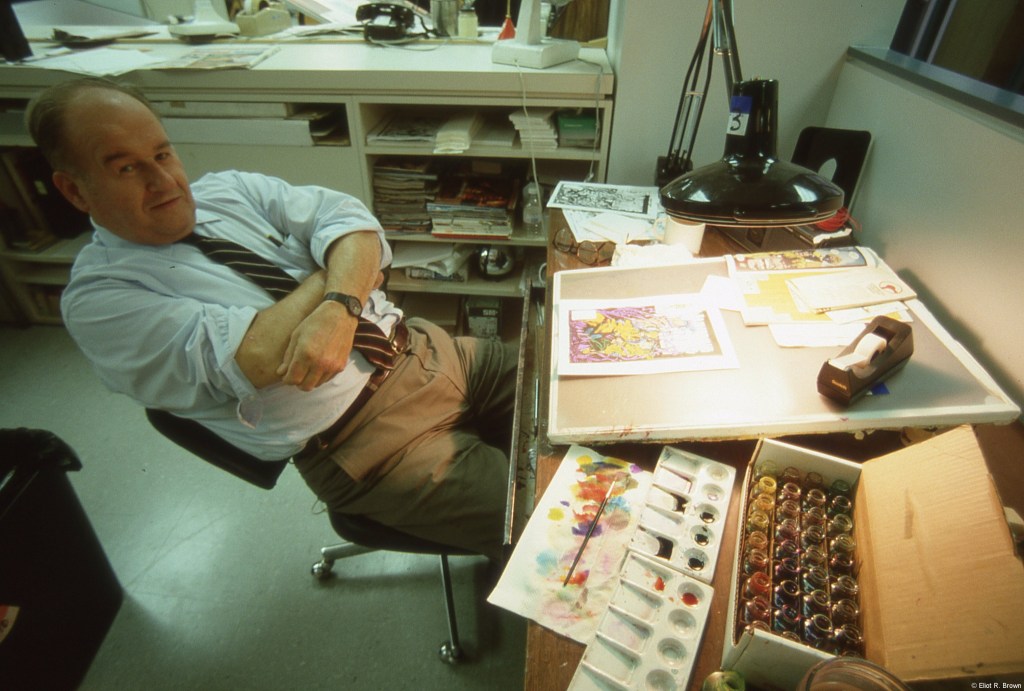
“Some notable exceptions are the Ed Brubaker Criminal series, and I liked the coloring on Saga. I think Jim did, too.”
- Your coloring work is so vibrant, which, as corny as it sounds, seems like a reflection of your own palpable energy and outlook. It makes me think to ask- who influenced you (if anybody) as a colorist? I mean, are there figures in the technique of coloring that are especially influential that we don’t hear as much about? George Roussos, Marie Severin, Glynis Oliver…? Are those just the obvious names? Who did you specifically notice in coloring that led you to new trains of thought in how to approach coloring a page?
“It’s been observed that for someone who mostly wears black, I paint with a lot of vibrant color.
In the old days, when I got stuck for coloring inspiration (and didn’t have Louise Simonson’s genius handy) I turned to illustrators whose work I thought would translate well to comics: Michael Whelan, Maxfield Parrish, N C Wyeth. I would flip through books of their work to get me over some hurdle I was stuck on.
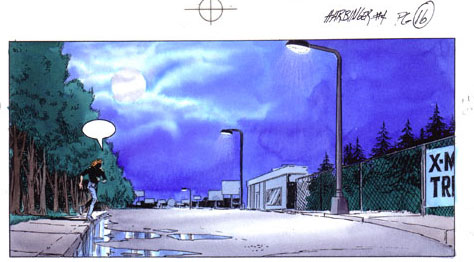
A few people used to help out and make suggestions sometimes. I think it was Paul Becton who taught me to color night scenes. Hint: They aren’t dark, they’re monochromatic! Modern colorists have almost all completely forgotten that technique. I would ask Paul Becton or George Roussos for advice, and also Jim, for suggestions, but most of the time when I was coloring for Marvel, I was alone at home at night, so I was on my own. That changed at VALIANT and Defiant because we all worked in the office.
I miss working in a big room full of artists. That was really the best. I had a ton of my own reference books I brought in, but I remember them mostly being books of photographs. And sometimes I would just look out the windows.
There was an issue of Harbinger with a night sky that I had to color. Jim and I were walking, and he pointed up to the full moon overhead. It was a really strange effect that night and he wanted me to remember it and paint it like that. Inspiration and suggestions came from everywhere. Jim had a great eye.”

- One of my issues that I discuss on Four Color Sinners is a lack of proper reporting on comic-related issues- I feel the inherent fan bias prohibits a lot of these people from practicing due diligence when trying to interview someone or chronicle the actual history. In your experience, what is one of the major misconceptions about the comic book industry- or a creator working within it- that continues to be repeated? That you wish would fucking go away already.
“Greatest misconception? That creating comics is easy and anyone can just do it. I get that a lot of people want to, and they should go for it, but just like novels and movies have their own narrative structures, so do comics. Taking time to learn the basics would save a lot of wasted time and paper (or pixels). Here’s a place to start: Storytelling.”
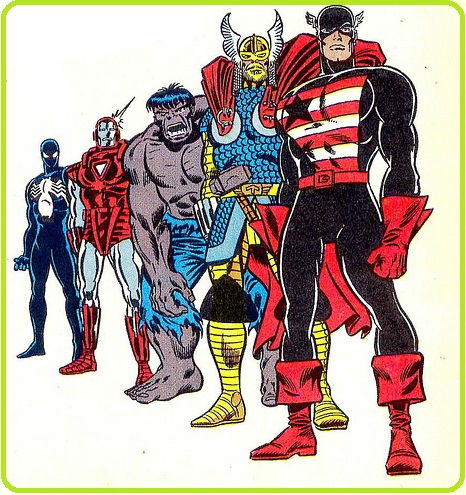
- This might seem vague, but there was a period between 1985-1988 where the appearances of several characters notably changed: Spider-Man and Captain America gaining black costumes, Iron Man getting red & silver armor, Thor growing a beard and wearing a different costume, the Hulk reverting to his grey color- did you hear anything about this being a deliberate and proactive response to Kirby’s claims of creatorship? As in, making the appearances of the characters visually different enough in the eyes of a potential jury should any case go to court…?
“Jim has talked about that time period. Most of that time the Marvel execs were pressuring Jim to generate extra revenue. They pushed him hard to come up with any idea or gimmick to boost sales, even temporarily. Jim pushed the creative teams to come up with ways. First, Cadence was trying to sell the company and do any trick possible to make it look more profitable on paper. Then New World was desperate for profits they could use to pay off what they’d borrowed to buy Marvel. I think they’d overextended themselves. At least that’s how I understand it. Recently I’ve posted the story of that business side of things, written by Jim, to his blog. His proposal for a book called $uper Villains outlines what happened better than I can.”
- In regard to Jack Kirby’s seemingly pixilated appearance in public through the Eighties… I’d be remiss if I didn’t suggest the counter that Kirby was someone who was very predisposed with ideas, seemingly at all times. I recognize I might be projecting here and, granted, I didn’t personally meet or interact with him… but this was a guy that was constantly driven by the worlds in his head, I don’t think anyone would argue with that… I mean, he had entire universes inside of him. I think it was summed up best by Drew Friedman’s portrait of him from 2014. So, I’m not meaning to challenge anything- or seem overly defensive of Kirby, who I know you dug, I just mean- is it possible he came off as sort of distracted because he was just one of those artists who is frequently thinking about “the work” and not that hip in social settings? We’ve met those types where they’re frequently lost in their thoughts.
“I only met Jack Kirby twice in a social context, not business, so I can’t really say I got to know him. The first time he spoke as if he were perfectly lucid, but oddly he seemed confused, and each sentence seemed unconnected to the previous one or to questions. The second time he seemed fine and was just interacting with people he knew in a professional way. But that was during the daytime.
I was an admirer of Jack Kirby’s work, as were most pros, I think. Anyone who understood enough about creating comics could appreciate what he was able to accomplish, seemingly effortlessly. As far as the universes and characters he created, I’m not familiar with all of it. Mainly The Kirbyverse for Topps, or before that, The Eternals and Celestials. I can’t say I connected with those ideas. But I was a fan of his Inhumans, Thor, Avengers, and Fantastic Four as a kid and colored a Hulk reprint collection. He is one of the more unique artists ever.
Hey, I even drew Kirby space into my Weird Al Yankovic pinup for Z2. Because Kirby space is space in my imagination.”
- What musically have you been listening to lately?
“My music tastes are eclectic and constantly evolving. I think the common thread is that I’m drawn to high-energy music. Punk, swing, musical theater, industrial metal, lots of stuff. For a few years I’ve been so obsessed with a German musical called Tanz der Vampire that I started learning German, translated the show and made it into a book, and I took that with me to Hamburg in May 2024 to see a special event in the most recent German production, a special week-long appearance of the most famous living lead doing the evening performances and the current lead doing matinees.
I was able to see Thomas Borchert twice and Rob Fowler once over a long weekend, plus go on a backstage tour, so that was exciting. That music is still in heavy rotation in my playlist, along with some longtime constants, Rammstein (I can understand a lot of the lyrics now!) and Alice Cooper, Rob Zombie, Warren Zevon, a few cast albums like Be More Chill, Tick Tick Boom, Beetlejuice, Phantom of the Opera (in English and now German), Hadestown, Hamilton, In the Heights, Wicked (not the film score, ugh), Camelot, Crazy Ex Girlfriend songs, interspersed with swing (old and new), rockabilly/psychobilly, Dean Martin, Leonard Cohen, Dead Kennedys, Sublime, The Pogues, Die Antwoord, Skrillex and other dubstep, Steeleye Span, Cypress Hill, Skindred, and also I like to go way back to my Texas country roots and listen to Charley Pride, Hank Williams, George Jones, Marty Robbins. And Don Ho.
Jim’s son Ben Shooter is a singer/songwriter and I enjoy his music quite a bit. I go to his shows around town when I can. @ben_shooter_music on Insta.
Since Jim passed, I’ve been listening to songs that remind me of him. Duke of Earl, The Superman musical cast album, I Believe in You from How to Succeed in Business Without Really Trying, You’re Just in Love by Ethel Merman and Donald O’Connor.
Fuck, now I’m crying again.”

Ad department. – JayJay Jackson)
- You’re so vibrant and prolific in so many fields of creativity; what’s the one thing you’d like to get done that you haven’t yet? What’s the dream project for JayJay Jackson?
“I really would like to write that history of comics coloring. There are many fascinating stories and unsung (or under-sung) heroes who have advanced the medium in fascinating ways. I just need to find a way to take time out from trying to make a living to do it. It’s a research and labor-intensive project. I have a graphic novel or two I’ve been working on for a while that I’d like to finish, and I have two novels started that I’d like to finish, but same problem. Time and money.
I’ve been trying to create various books and publishing them on Amazon to create some passive income, but so far it hasn’t been enough. If I get far enough along on any of them, I might try Kickstarter.”
My sincere thanks at the openness that JayJay Jackson displayed while being interviewed by Four Color Sinners. Please show your support by following and subscribing to Ms. Jackson on her various accounts and by shelling out to purchase some of her self-published releases on Amazon. It’s worth every single cent!
*BONUS* Section, you lucky devils- JayJay shared so much fantastic archival material, here’s some additional imagery I couldn’t fit above. All praise the Tater Queen!
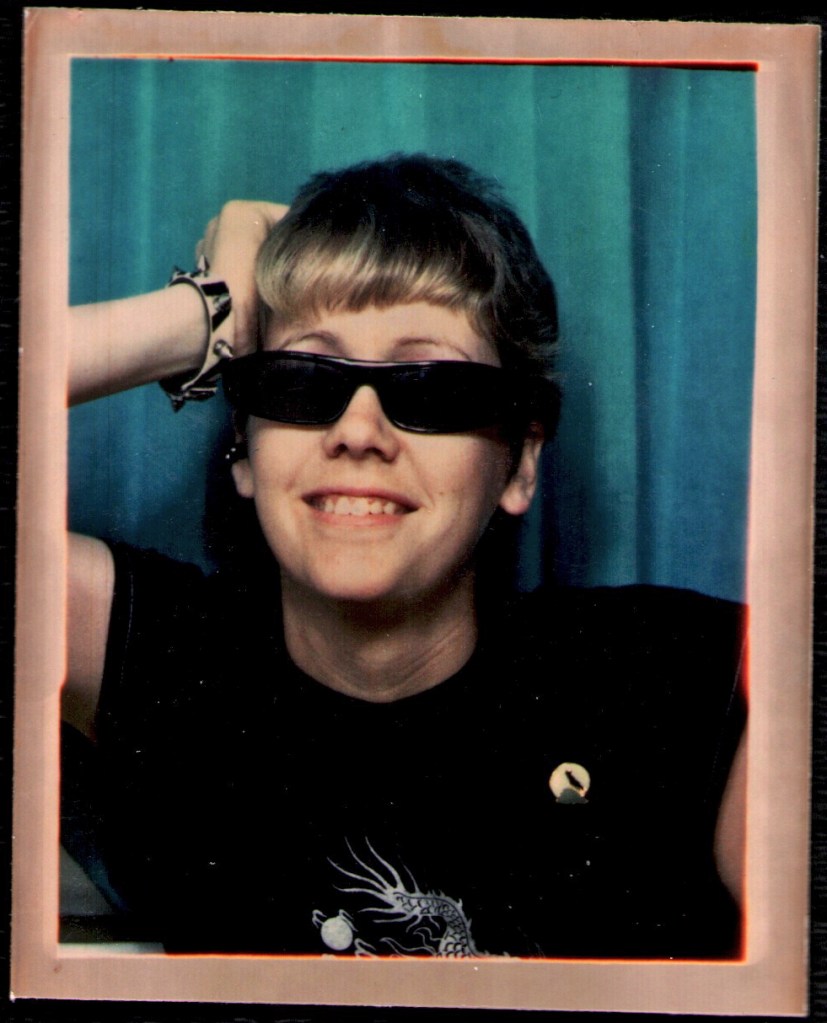
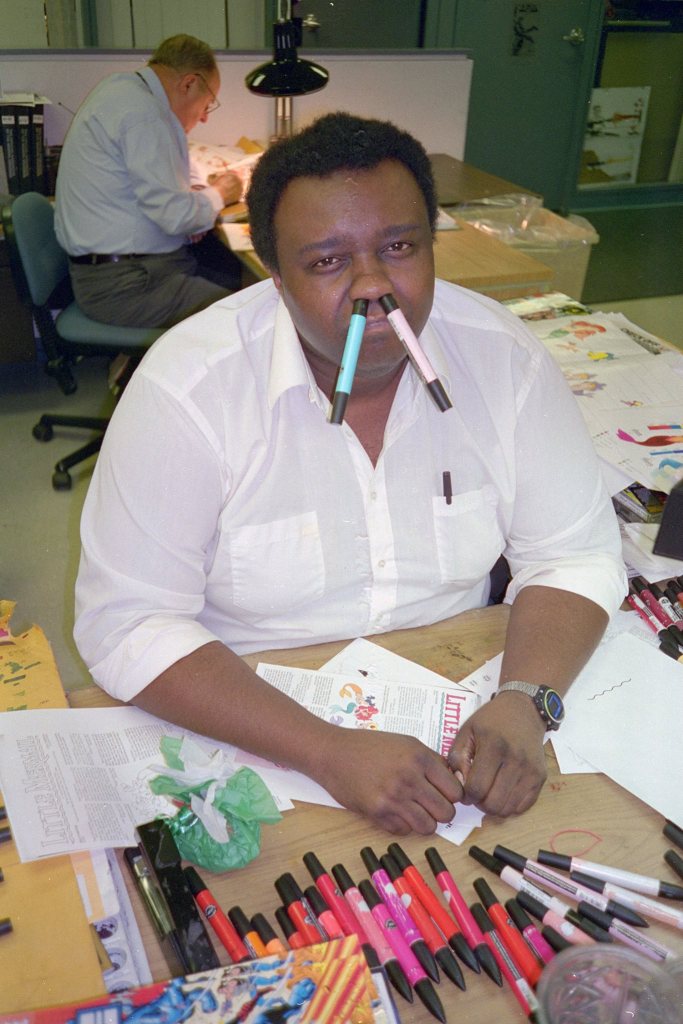


Thanks (again) to JayJay Jackson. Please send all knocks and boosts to your humble host at fourcolorsinners@gmail.com

 Four Color Sinners
I fondly remember the “BlogElf” from the days of when Jim actively involved with his comment section! Wow, I had no idea how widespread miss Jackson’s cv was. Great interview and R.I.P. to “Trouble” Shooter!
LikeLiked by 3 people
WHERE has JayjayJackson been all my life?!! I loved this!!!!!!
Also, who is the woman in the background to the left of Ann Nocenti in that one picture?
LikeLiked by 2 people
im imagining shooter as a heavy on “Cagney and Lacey” now or something lol
LikeLiked by 3 people
Comic Scene was a fairly decent magazine (published by Starlog who presumably wanted in on the growing comics market in the Eighties), its where I first saw Bob Burden’s FLAMING CARROT for one.
This was a great interview and JJJ gives us a peek back into that magical decade when Marvel was firing on all cylinders (Simonson, Miller, Zeck, EPIC, etc) and into her own creative process. Very nice read, thank you.
LikeLiked by 1 person
I appreciate this article. It’s always good to hear from other voices aside from the headline makers. After reading so much vitriol towards Shooter, and also reading his own take on things on his blog, I’m glad to read JayJay’s POV. It humanizes Shooter in a way that gives some useful balance. And I’m glad the blog will be maintained, at least for some years to come. It’s a very useful resource.
I take issue, though, with the suggestion that the return of Kirby’s artwork was to a large extent drummed up by TCJ to sell copies. It was a BFD in half a dozen different ways. Gary Groth could be a jackass, but this was not a manufactured controversy.
And I really hate it when people who worked at Marvel repeat things like, “I have no idea about the Kirby art. I’ve heard many different stories from a number of people who worked at Marvel in the Sixties and early Seventies. Art returns weren’t a thing that happened regularly. I’ve been told they used to give out old art pages to people who came to tour the offices. I’ve heard boxes of art used to disappear from the office. I heard one story where a Marvel storage space or warehouse flooded, and they used pages to soak up the water. I don’t know if that’s true. Ditko used his old art as cutting boards and then tossed the pages. It seems like nobody cared about the art back in the old days. Until they did.”
The right thing to do is stop talking after saying “I have no idea about the Kirby art.” Everything after that has been debunked. This is the kind of oft-repeated nonsense that this site is dedicated to exposing. And I understand why FCS didn’t jump on this, and I understand why JayJay would repeat these things. This isn’t meant as an attack — I just want anyone who is reading the above quotes and doesn’t know the context to realize that this is a bunch of second-hand nonsense and spin.
LikeLiked by 2 people
Thanks for the thoughtful reply Mr. K.
I didn’t push further because I got the distinct impression that JayJay wasn’t so much repeating as much as she just literally really wasn’t following that story- we talked more than just what’s transcribed in this interview, so her awareness of it came from what she’d hear Shooter comment on in passing, and the surrounding Marvel staff of that time. In a sense, she was repeating but I didn’t get the impression that it was just to tow the company line, but because this is what she absorbed working in the production office(s) at Marvel and would have no reason to doubt it. I’m so used to pros like Wolfman and Thomas really interacting and monitoring the comics press that it was sort of refreshing that JayJay didn’t.
That isn’t me trying to defend her or seem like I’m changing my usual stance. But her tone was more one of someone who didn’t know all the details of Marvel’s handling when it came to Kirby.
LikeLiked by 1 person
Yes, that’s exactly how I took her comments, and your non-response to those comments. I just wanted to provide some kind of ‘footnote’ to the inaccuracy of those particular comments, for anyone reading along who isn’t well-versed in this controversy.
LikeLiked by 1 person
I read Van Vogt’s book long ago, but refreshed my memory with wikipedia: “Slans are evolved humans, named after their alleged creator, Samuel Lann. They have the psychic abilities to read minds and are super-intelligent. They possess near limitless stamina, “nerves of steel,” and superior strength and speed.”
So, I think it’s a pretty accurate assessment. 😉
Continuing on: “However, the human dictator Kier Gray leads a campaign to exterminate the Slans.”
I’m going to guess Puglisi is a Kier Gray follower.
LikeLiked by 2 people
Yeah, then his comment even makes LESS sense to me now since being a ‘slan’ apparently is to be some kind of Übermensch. This is the sort of shit I’ve got to think about! You see what I go through.
LikeLiked by 1 person
She’s an older lady who is mourning the love of her life my dude and you want the interviewer to badger her over Shooter?! That’s just icky there’s a time and a place I thought he showed restraint but the anti Stan slans are also anti Shooter slans I learned.
Shooter already said time and again he was on the side of founding fathers but he was obligated to not trash his employer.
LikeLike
Puglisi, please point out to me in where I called for “the interviewer to badger her over Shooter“. I specifically said that my comments weren’t an attack on her, that I thought she did a great job of humanizing Shooter, and that I understood both why FCS didn’t badger her and why she said what she did.
Moreover, the comments I called out weren’t about which side of things Shooter was on. I was calling out inaccurate suggestions that I’ve seen repeatedly which try to make the case that Jack Kirby and Steve Ditko getting their art stolen while in Marvel’s possession somehow wasn’t and isn’t really a big deal.
LikeLiked by 1 person
Slans? I’m fairly sure A. E. Van Vogt had nothing to do with this.
LikeLike
I recognize that I can easily look up what ‘slans’ means but I refuse to. I assume it’s a slur, possibly a right-wing one?
LikeLike
They are the title mutants in Van Vogt’s “Slan”
LikeLike
Ah. So, I guess… it was meant as a slur? Strange.
LikeLike
Great interview! I liked the muted watercolors Valiant colorists used. They enhanced most of the line art, and were perfect for Ernie Colon’s work on Magnus Robot Fighter. It’s too bad we didn’t see more of BWS coloring or inking his pencils, but Valiant’s coloring department was a decent substitute. I would love to read JayJay’s book on comic book coloring, if she is able to finish it.
LikeLiked by 2 people
At least she didn’t repeat Shooter’s lie that ‘Kirby was suing Marvel’. Which of course never happened.
I think it’s great that she’s keeping Shooter’s blog alive. It really IS a great place to read about the history of comics and the inside happenings. Some really great stories there.
But… he’s always going to be remembered by some of us as the guy who wouldn’t give Kirby his art back – wouldn’t stand up for artists’ rights or give them residuals – and then when DC Comics DID do these things – he tried to make it sound like behind the scenes he WAS fighting for the artists. I guess it COULD be true, but people like Frank Miller have come out and openly said they don’t believe it.
Despite this… good article and some interesting perspectives from a BTS person… especially a colorist, a profession that doesn’t get enough credit!
LikeLiked by 2 people
It’s fair to say that Shooter became EIC at an extremely difficult time for Marvel and the industry, with the deck stacked against him. He inherited an absolute mess regarding the return of original art, a situation he didn’t create but had to take responsibility for. As I understand the Kirby art situation, he was in a tough place: responsibility without ultimate authority, which is a terrible place to be for a leader and the public face of the company.
The Kirby art situation was only one mess he inherited. I think his bigger priorities, though, were fixing the rot that had been created by the general incompetency of the previous EICs, including chronically late books, lagging sales, lack of innovation and new ideas, double-dipping writer-editors, terrible wages, and so on. The situation called for a decisive and strong leader and he had that going for him. He pissed off some people who deserved it (Roy Thomas and other writer-editors who were underperforming) but he also pissed off people who didn’t remotely deserve it (Gene Colan being a prime example).
He could have done a better job in a lot of areas, he could have played the PR game much better, but he succeeded brilliantly in other areas. I think the Kirby art situation was far from the top concern of his bosses (which I think were making Marvel profitable, selling more issues, getting on schedule, etc.), but it was a top concern for artists and a lot of fans.
I don’t know to what extent he was fighting for artists behind the scenes, but the fact that he quickly stopped giving art to writers, and that artists and writers started getting generous sales bonuses under his editorship, were tangible and important accomplishments. On the other hand, his utter passiveness after he witnessed a massive art theft that happened literally under his nose (when Marvel moved offices) is a huge black mark against him.
LikeLiked by 1 person
Two people commenting have a view of things that’s completely shaped by the eccentric perspectives of the comics fan press and fan-community message boards. Some things need to be clarified.
Commercial artists do their work for the benefit of the client or employer. For the most part, once they’ve delivered their work and been paid, they’re done with it. In the pre-digital era, it was not the norm for originals to be returned in commercial art. The return of originals was peculiar to the comics industry, and a handful of exceptions aside, it didn’t begin there until the 1970s. It was a courtesy that was intended to make up to some extent for the low work rates comics artists earned. The artists were never entitled to the artwork’s return.
Kirby ran into trouble because he confronted Marvel with the claim that he was legally entitled to the return of his Silver Age work, and in the process claimed (perhaps unwittingly) that he owned the copyrights to the work as well. Marvel began returning their Silver Age art inventory after the company was taken private in late 1983, but they were not willing to return anything to Kirby until he backed off his claims in writing. He eventually did, and the matter was resolved.
Marvel’s lawyers were handling the Kirby situation, which was undoubtedly at the heart of the misconception that Kirby sued the company. Shooter wasn’t lying. He just misremembered what happened. He stopped saying that after I confronted him about it.
I don’t believe The Comics Journal saw any circulation boost from their coverage of the matter. They were just doing what they had always done, which was pandering to the older comics fans who had grown past their interest in Marvel and DC’s output but couldn’t move on, and dealt with it through hostility directed at the companies. Their coverage was a journalistic disgrace, though. They suppressed or collaborated in suppressing information that would have undermined Kirby, and grossly misrepresented a great deal besides that. The coverage was claptrap from start to finish.
Another thing about commercial artists. Like all employees and contractors, they are expected to do their work in accord with their employers’ wishes. It was Gene Colan’s job to get along with Jim Shooter, not the other way around. Shooter expected Colan to follow the writer’s work, provide workable pencils to inkers, and turn out pages that were legible without the benefit of copy. In short, Shooter wanted Colan to knock off the self-indulgent habits he’d developed over the years. Colan responded by quitting. He then went over to DC, where they had the same problems with him that Shooter did. It should be noted that for both publishers, Colan’s presence on a book in the 1980s hurt its sales. He treated his job as a platform for self-indulgence in defiance of his employers, and paid the price. By the end of the decade, he was all but unemployable in the comics industry.
Shooter’s blog post about the 1982 theft of originals from the Marvel offices was baloney. Gil Kane was believed to be the culprit, and Marvel blackballed him. My guess is Shooter felt he had gone too far when he had written about Kane’s penchant for voucher fraud, and didn’t want to blacken Kane’s name any further.
Shooter made the breakthrough on sales royalties for company-owned material with the Euro-album graphic-novel contracts. This was several months before DC announced sales royalties on periodical comics selling more than 100k an issue. Paul Levitz has said he was astonished Shooter was able to convince the Cadence board to authorize a similar policy at Marvel so quickly, particularly since royalties were going to cost Marvel a great deal more money than they would cost DC. The reason was that the Cadence bosses had already been convinced. They may have needed the push from DC to extend the policy to the periodical line, but they were ready to do it.
When Frank Miller wrote that Shooter wasn’t in favor of creator’s rights in 1992 or thereabouts, he was largely referring to creative autonomy on company-owned material. (Miller’s views on creator’s rights, at least 30-40 years ago, were only slightly less extreme than Howard Roark’s.) Shooter was talking about financial benefits and creator-ownership opportunities. The strides Shooter made on those fronts are indisputable.
LikeLiked by 2 people
RSMARTIN: Kirby ran into trouble because he confronted Marvel with the claim that he was legally entitled to the return of his Silver Age work, and in the process claimed (perhaps unwittingly) that he owned the copyrights to the work as well. Marvel began returning their Silver Age art inventory after the company was taken private in late 1983, but they were not willing to return anything to Kirby until he backed off his claims in writing. He eventually did, and the matter was resolved.
It’s almost laughable what a liar you are.
MARVEL instituted the policy of returning art, because DC had begun to do it (as early as 1973, before the law had even changed).
MARVEL set the terms.
And they decided to present Kirby with a special release form that was required of no other Marvel freelancer – that signed away all rights to the Marvel-published characters he had created and informed him that it would hold hostage all his original art in its possession until he agreed to sign.
Kirby never made demands to Marvel. Marvel made those demands. Kirby just refused to sign.
He wasn’t the only one. The BASIC agreement that artists had to sign was rejected by Mike Ploog who walked off the job in the middle of a two-part Weirdworlds Special. Neal Adams exhorted his fellow artists not to sign their rights away. And creators began holding meetings and talking seriously about unions and organizing.
DC had organized past artwork and quickly began to mail out pages to artists and inkers, but Marvel took their time. That original offer to Kirby was for 88 pages of artwork, out of the 8000 pages he’d done from 1958-1970, barely 1%.
Marvel’s basic release was one page, about four lines long.
Neal Adams said, “Anybody who signs that form is crazy…. You dangle a carrot in front of the artists’ faces, saying, ‘If you want your art sign this form.’ It’s not true; you don’t have to sign it.”
Kirby’s was four PAGES long and allowed Marvel access to the art whenever they request – Kirby wouldn’t even be allowed to sell the pages under the agreement. It was an abomination.
To even try and claim it was Kirby as the perpetrator here is a joke.
You talk about this stuff like you know, but you are absolutely clueless.
LikeLiked by 2 people
Mr. Gower–
Once again, your command of history and the facts is seriously lacking.
Marvel announced their initial art-return policy in 1973, although they didn’t begin implementing it until 1975. DC announced theirs and began implementing it in 1974. Archie Goodwin, for one, left DC for Marvel because Marvel had changed their policy and DC wouldn’t.
There was no law going into effect that would have required work-for-hire artwork return. If I’m wrong, post a link to the law’s text.
The initial art-return release Kirby was sent was just a more elaborate version of the standard art-return form Marvel used. This was done because of demand correspondence Kirby (and apparently no other artist) had sent Marvel re: the artwork’s return. We don’t know the exact content of those letters because the Kirbys and/or The Comics Journal refused to make them public. But Kirby can be seen claiming copyright ownership of the work in the article in TCJ #100 that made the dispute with Marvel public. Saying all Marvel paid him for was one-time reproduction rights is a claim he owned the copyrights. Only the copyright holder can license reproduction rights. Based on Jim Shooter and Michael Hobson’s statements at the time, statements of that sort were in the demand correspondence and were the reason Kirby was sent the expanded release agreement.
To the best of my knowledge, Mike Ploog never refused to sign an artwork-return release. He refused to sign the 1978 work-for-hire acknowledgement, but that’s not the same thing. There’s no evidence Kirby objected to the 1978 work-for-hire acknowledgement. It’s not clear he was ever presented with it. He worked under an employment contract that included the relevant copyright language. He didn’t renew the contract in 1978, but that was because he decided to work full-time in animation. He never said otherwise.
DC had no 1960s artwork to return. Their policy in the 1960s was to destroy it.
The 88 pages were what Marvel had available to return to Kirby at the time they sent the release. They had just begun inventorying the art, and they weren’t willing to send any page from any issue unless all the pages they had from that issue had been accounted for. The available pages were all from what Marvel had finished inventorying. If you look at the issue page counts in question, you’ll see they’re all two-thirds of the issue. This was in accord with the policy of giving the penciler two-thirds, and the inker one-third. The Kirbys acknowledged that Jim Shooter told them more pages would become available as the inventorying went on. When the dispute was resolved, he got well over a thousand pages back.
Why does it matter how many pages the release was? I don’t know that it’s absolutely necessary, but lawyers are fastidious and they like redundancy. My apartment lease is over 40 pages long. I’ve seen home mortgage agreements that are over a hundred pages. it doesn’t matter.
Anyone who says the agreement didn’t allow the Kirbys to sell the art hasn’t read it. It just required the buyer to sign a copy of the agreement and send it to Marvel. Access to the art only applied to whatever pages the Kirbys kept in their possession.
If you’re going to regurgitate Gary Groth’s BS at me, be aware I’ve answered it all before.
LikeLike
I’ll add that Kirby never had any rights to sign away. He affirmed that in a 1972 agreement with Marvel. Things like the reproduction-rights claim muddied the water, and Marvel was not going to do anything that would give credence to a copyright claim against them. Kirby was going to have to disavow those claims in writing, which he did in 1986.
LikeLike
Per RSMartin: “DC had no 1960s artwork to return. Their policy in the 1960s was to destroy it.”
According to Neal Adams, he demanded to Carmine Infantino that DC stop that policy around 1967 and they did. This was seven years before DC started returning the art to artists. And, of course, I have seen many hundreds of pages of early 1960s DC art come on the OA market via auction sites. Who knows how much has remained quietly in private collections or changed hands privately (the auction market is the tip of the OA iceberg). These aren’t the cut pages they gave to visiting fans, and in some cases they’re complete books with covers. Of course Marv and Len, when they were DC office boys, and tasked with cutting up the art, made a point of taking as much as they could. They weren’t the only ones.
And by the way, I don’t fault anyone in that position at DC who pilfered art rather than destroy it. I do fault them for profiting from it without sharing it in some way with the artists.
LikeLiked by 1 person
I assume I’m one of the two you’ve referred to. If that’s the case, you’ve made some assumptions that are dead wrong. I’ve been a commercial artist, an animator, for almost 30 years, at studios both great and humble. I’ve been an employee and an independent contractor. I’ve also been close to my share of comics artists. I know the score. I also know that it’s never been cut and dried whether or not an artist gets to keep their originals. Often they only gave up that right if they got a better page rate (the EC artists, for example).
The animation industry is tough, and often heartless, but there are almost always health plans and pensions and living wages. The best animators earn large sums, and have from the earliest days. That’s why it’s not uncommon for animators to have 30-, 40-, 50- year careers. The comics industry is much tougher, and there are good reasons why the best and brightest comics artists almost always burn out or leave for greener pastures, and why those who survive end up getting labelled ‘hacks’ or die in poverty.
Even in the greener pastures of animation it’s commonplace for producers to play artists against each other, to lie, to belittle, to threaten, to gaslight, to commit illegalities (e.g., hire someone as an independent contractor but treatithem like an employee without benefits). Studio politics abound, and the friendliest faces can turn out to be the ‘velvet knives’, the ones who can slip a blade in your back so smoothly that you never feel a thing. Scapegoating and psy-ops are the stock-in-trade of some production staff, and artists are talked about with contempt behind their backs, as if they’re all spoiled children. And that’s at places like Disney and DreamWorks.
The same shit happens in comics, except there’s generally lower quality human beings among the ‘management tribe’. I’ve known of several former Marvel writers/EICs who tried hard to break into animation, and all failed spectacularly. They just didn’t have the talent or the work ethic or the skills. I had an animation story artist friend who had an office next to one of these former-EIC geniuses at DreamWorks, and he couldn’t get over how this writer spent his entire day on the office computer playing solitaire. They gave him a lump-sum payoff and told him to go home. Later I heard some mutual acquaintances talking about how badly this guy had been treated – “Don’t they know how many characters he created and how many important comics he wrote?”
I’ve had animation producers tell me in my individual negotiations that there were 10 whiz-kid animation students who could replace me in a minute if I didn’t accept my contract without countering. I was president of the Animation Guild for 9 years and sat in union/company negotiations where studio lawyers demanded contract give-backs despite multiple literal billion-dollar animation films in the previous couple of years. It’s always the same old story, about what the artist owes the boss, how lucky the artist is to even have a job, and on and on and on. Spare me, Mr. Martin, I’ve heard that tune one too many times. I’m not some over-aged fanboy whose mind has been poisoned by reading too much of Gary Groth’s venom. It’s always been obvious that Groth was one of those journalists who needed to be in the middle of the story and make things about him. TCJ was indispensable, and I read it regularly even when I didn’t read comics, but I read it despite his vitriol, not because of it.
Regarding Gene Colan, there’s a very telling interview involving John Byrne in TCJ #75 that gives the game away. Comics has a long history of eating it’s own, of young punks stomping on their elders. Colan wasn’t the only ‘old guard’ artist who got labelled a hack and shamefully swept into the dustbin by the new generation.
Finally, I’m not sure what was ‘baloney’ about the theft Shooter wrote about concerning several boxes of art that were taken from the new Marvel offices’ lunchroom. That was not Gil Kane, who was known to pilfer small amounts of art over the years at night. It was an inside job, almost certainly organized by someone who participated in Marvel’s move to their new offices. At the time Shooter wrote about that theft, Kane had been dead for years and the story of the ‘Trickerator’ had been circulating all over the place. If it had been Kane, then in 1982 Shooter could have just called him up and demanded the art back. If it had been Kane, then in 2011 Shooter would have a Jack Miller-like scapegoat to pin it on and would have certainly have named him.
Shooter was possibly the best EIC Marvel had ever had after Stan Lee, but that’s not exactly what I’d consider a ringing endorsement. He did stuff no one else did before, like get the books out on time and get a bonus system working. No one, certainly not me anyway, is disputing that. But at the job that Stan Lee did so spectacularly, being the public face of the company, he failed. And just because he did some indisputably good stuff on some fronts, it doesn’t mean his sh*t didn’t stink, or that he’s someone immune to honest criticism.
LikeLiked by 3 people
Kevon–
My apologies for jumping to conclusions about you. But you come across as very preoccupied with a forty-year-old original-art dispute that’s not relevant to much of anything today. You also talk about it in a manner that comes across like all of your knowledge is from fandom sources. You don’t seem knowledgeable at all about how the pre-digital New York City commercial-art world operated.
Regarding some of your other statements, in order:
I also know that it’s never been cut and dried whether or not an artist gets to keep their originals. Often they only gave up that right if they got a better page rate (the EC artists, for example).
There is no inherent right of return with work-for-hire originals. There is a New York law mandating the return of creator-owned work, but it does not extend to work-for-hire. No comics artist doing work-for-hire for the New York publishers has ever given up a right of return, because you can’t give up what you don’t have. The EC artists did not negotiate a better page rate in lieu of originals return. Bill Gaines had an across-the-board policy of keeping the art. EC didn’t even have the best page rates; Alex Toth has said he got significantly higher rates at both DC and Standard.
There was one instance where Gaines did return an original to an artist. It was with Frank Frazetta and the cover for Weird Science-Fantasy #27. Frazetta had done the artwork for Famous Funnies, who rejected it. He was willing to let Gaines use it, but only if Gaines returned it to him. Gaines agreed in exchange for Frazetta accepting only half-rate for payment. But that was an isolated incident. It was not the rule at EC.
It’s always the same old story, about what the artist owes the boss, how lucky the artist is to even have a job, and on and on and on. Spare me, Mr. Martin, I’ve heard that tune one too many times.
Where did I ever write anything like this? All I said was that Colan had a professional obligation to accept supervision. He did not have a right of insubordination. You’re writing from a union perspective, but I don’t think even the most generous union contracts defend insubordinate behavior.
Regarding Gene Colan, there’s a very telling interview involving John Byrne in TCJ #75 that gives the game away.
I’ve read that interview. It was a convention-panel transcript. Byrne defended Shooter with regard to Colan. He pointed out just how slovenly Colan’s work had become, with specific examples. Those examples were printed alongside his statements in the article. There was no “game,” unless you think it’s out of bounds for artists to criticize other artists. Byrne has always been known for being opinionated.
Finally, I’m not sure what was ‘baloney’ about the theft Shooter wrote about concerning several boxes of art that were taken from the new Marvel offices’ lunchroom. That was not Gil Kane, who was known to pilfer small amounts of art over the years at night. It was an inside job, almost certainly organized by someone who participated in Marvel’s move to their new offices.
I don’t know who your contact at Marvel is, or if you even have one. My principal one is a person who worked in accounting there at the time. My sister introduced us. That contact recalled, after reading Shooter’s accounts, that after Kane was busted for the “trickeration,” he was allowed to work for the remainder of his employment contract if he worked off the money he swindled. When the royalty system was instituted, the company also instituted a rule that page rates on direct-market exclusives were to be rate-and-a-half, as those books were unlikely to sell in the numbers necessary to qualify for royalties. The money was to be paid back by Kane working on those for just normal rate. Near the end of his contract term–and it was not going to be renewed–two boxes of artwork containing several hundred pages disappeared out of the office. They had been left in the break room. Kane was in the office that day, and he did not sign out in the reception area. It was assumed, given his prior history of stealing art, that he left with the boxes via the freight elevator. His employment contract was immediately terminated, and my contact believed the termination letter informed him that Marvel would give him no future work, and he was not permitted in the Marvel offices again. The police were not called because Marvel did not have an inventory list of the art that was taken. My contact did not indicate there was any kind of conspiracy on the part of Marvel employees. Opportunistically grabbing two boxes and leaving the office with them via the freight elevator isn’t that complicated.
And just because he did some indisputably good stuff on some fronts, it doesn’t mean his sh*t didn’t stink, or that he’s someone immune to honest criticism.
I called BS on Shooter with regard to the Kane situation in my comment, and I highlighted another instance when I called BS on him years ago when he said Kirby sued Marvel. I’ve called BS on him in other instances as well. Shooter (and JayJay Jackson) were happy to promote my reevaluation of Shooter’s Marvel tenure on his website, but he always kept his distance from me. I suspect it was because he didn’t care for my willingness to call him out. I’m not of the view he’s above criticism, and I never have been.
LikeLike
@RSMartin, you’ve started your response with the standard apologist stance about a massive art theft, and framed it as if it my personal problem. It’s a response I’ve seen before, and is usually made by people who seem to have been associated with art thefts or the subsequent profiting from those thefts. I don’t think you were involved, but you are providing cover for these people. Let me repeat, I am not accusing you, but you are providing the exact same minimizations and excuses.
You wrote that I’m “very preoccupied with a forty-year-old original-art dispute that’s not relevant to much of anything today.” Let’s break this down: (1) It’s my preoccupation. I’m must be one of those obsessive, nutty fanboys. (2) it’s in the past, so it doesn’t matter. We can’t change the past, right? (3) It’s just an ‘art dispute,‘ as silly as arguing over who really inked some Kirby art from the 1961. (4) It’s not relevant to anything today. Sorry, but I’m harder to gaslight than that.
Let me give you some more context about me. I’ve been interested in original comic art since I first considered becoming a comic book artist in the 1970s. I’ve collected OA since 1980. In case you struggle with dates, that’s before the theft in question. Some of the art I’ve bought was post-1974, and sometimes it was bought directly from the artist, including Jack Kirby. All good. But most of the highly desirable art I’ve wanted to collect was pre-1974. Years ago, before I knew any of these insider theft stories, I quickly realized that asking art dealers the question “where (or who) did you get this page from” was a conversation stopper and an excellent strategy to get frozen out of even being shown “the good stuff.” For the entire time I’ve collected OA I’ve dealt with at least some people who clearly had something to hide.
When collectors and dealers did talk about art thefts, it was always in general terms, and always involved excuses that were pretty damned similar to the excuses you’ve just made: “Yeah, some of this art might have been taken from Marvel, but that’s a good thing, because otherwise it would have been thrown away, destroyed, mistreated, lost. And hey, the artist’s had no right to it when it was stolen, so the theft was from Marvel, who didn’t know what they had or didn’t take care of it, so screw them.”
Other excuses have become more prominent over the years, like: “Hey, that was a long time ago. It’s over and done. Kirby’s dead, Ditko didn’t care about his art, and he’s dead, too. We don’t really know who did what. It was a long time ago. Why are you so obsessed about this? Did I mention it was a long time ago, we can’t ever know what really happened?”
I recently posted about this on the CGC OA board, and, before all my posts were deleted by the administrators, I heard all these excuses, along with “You obviously feel guilty, why don’t you donate your art” or “What are you calling for, reparations? Who should we give the money to, the artist’s family? They don’t deserve it. And it wasn’t even their art when it was stolen.” Your response is typical of the defense of an omerta that exists in the OA collecting world. The willingness to challenge these BS excuses and this omerta is exactly what drew me to this blog.
As FCS has highlighted, some of the principals involved in these thefts have been openly selling some clearly stolen OA for extremely large amounts of money in recent years. Prime Kirby and Ditko pages were very expensive in the late 1970s, and now regularly sell for six-figures. Per page. Selected covers go for over a million.There are incredible collections of key 1960s Marvel art that have only been seen to a handful of secretive collectors, and are kept in ‘black hole’ collections. Yet if you dare to ask sellers or collectors about the provenance of such art when it’s offered for sale, you’re treated exactly the same way you’re trying to treat me. The simple fact is you are, wittingly or unwittingly, excusing and enabling this abhorrent behavior.
Here’s an old CGC OA forum post that give a good flavor of what I’m talking about: https://boards.cgccomics.com/topic/424426-question-about-gil-kane/
I can’t help but see similarities to your response to me and the responses of ‘artdealer’ to the OP of that thread.
As for your accountant friend’s knowledge of what happened when those 2 or 3 boxes packed with art disappeared the morning after the Marvel office move, I can tell you that the least reliable people in such situations are the peripheral studio workers who weren’t directly involved. Just as JayJay, a Marvel insider, repeated nonsense that she heard while an employee at Marvel, your accountant would have heard the same nonsense. I don’t know if you’ve ever worked in a studio, but misinformation spreads constantly in a big game of ‘Telephone’ where wild speculation becomes a rumor, which is repeated avidly enough that it gains the ring of truth because “I heard it from three different people.” The nonsense eventually become fossilized into what gets mistaken for truth. It doesn’t matter if these stories are self-contradicting or even literally impossible, the defense is always “This came from someone who was there!” There’s a good reason hearsay and rumors count for nothing in courts of law. And, frankly, I do not for a second believe that your account friend knew and remembered, 30 years later, that Gil Kane had been in the Marvel offices and not signed in on that fateful day.
Either Shooter made up a bizarre story about that theft to cover for Gil Kane, or it wasn’t Gil Kane. Shooter stated that after the 1978 break-in to Marvel’s old storage facility, in which no art was apparently taken, he ordered all the art moved to his personal and secure office, to which only he held the key. He clearly knew it was valuable, and knew that it needed to be protected from other Marvel staff, or he wouldn’t have crammed those boxes into his small, private office. Shooter has also stated that he ordered the Vartanoff inventory in 1978, because he was appalled at the disorder in the storage facility. The inventory was completed by 1980, and a copy was in the office (with Sol Brodsky?). Did Shooter know off-hand where the inventory was? Maybe, maybe not, but he sure as hell knew there was an inventory! Did he lose Irene Vartanoff’s phone number?
The moving company would also have an exact record of what boxes and items were sent where. I was a military brat, and moved often as an adult, and I’m very familiar with how carefully movers inventory items. They have to, for insurance purposes and to prevent employee theft. Sure, they make mistakes, but there would have been an exact record of what boxes were moved to the new offices, and what was moved to the new storage facility. The movers wouldn’t know what was in the boxes, but they’d know exactly how many boxes from Shooter’s office were moved to the new offices instead of the storage facility.
The move to Marvel’s new offices happened over a weekend. The art and the Marvel office furniture/supplies/files were all at 575 Madison Ave pre-move, at least according to Shooter. Over that weekend, the office stuff was sent to the new offices while the art was delivered to a separate and secure off-site archive. These move happened simultaneously. Those two or three boxes somehow ended up on the wrong truck, and in the new offices, which could only have happened if either the moving company was incredibly incompetent (narrator: they weren’t) or a Marvel staffer came in over the weekend, during the move, and changed the delivery labels on a few carefully selected boxes so that they’d be routed to the new office. Obviously, whoever did that would also need to have direct access over the weekend to the old office and a plausible reason to be in the new offices early Monday morning.
A comparison between the Vartanoff inventory and what was later (not) given to Kirby and Ditko shows that the most valuable and desirable art had been selectively taken between 1980 and 1986. Under Shooter’s watch. Shooter was insistent that this is the only art that disappeared under his watch. If true, this was not 2 or 3 random boxes full of random art, taken opportunistically. Someone had to zero in on the good stuff, as if they had a shopping list and knew exactly what they were looking for. If you’ve ever gone through a bunch of boxes of files or papers, you know this isn’t a quick or easy process. Someone put some time and effort into it over the weekend of the move, and they had to have the legitimacy to tell the movers “hold on, I need to check the contents of a few of these boxes.”
And why did they need to have the boxes sent to the new office, if the thief is in the old Marvel offices over the weekend? If all they wanted to do was grab a couple of vintage issues of FF or S-M, which could easily fit in an art portfolio, that’s what they would have done. No risk, easy peasy. But if you wanted 40 or 50 or 60 pounds of art, which is what several boxes would contain (at least), then you’re not pulling that off while the movers are there without being incredibly obvious.
Could Gil Kane have done this? Archie Goodwin told the story of catching Kane in the early 1980s trying to leave the Marvel offices late at night with a portfolio containing some pages of art he was stealing. Goodwin took the portfolio and demanded Kane return any art he’d stolen, and the next day Kane brought back about 35 pages. Goodwin claims it was after that that Kane was blackballed. Shooter never claimed the ‘moving-day theft’ was by Kane, but you indicate he knew it was Kane and didn’t want to shame the guy. So why didn’t he do what Goodwin did, and demand demand the art be returned? Why did Shooter just shrug his shoulders? Why even bring the whole episode up, if he knew it was Kane but didn’t want to smear his name? And by the way, these two tales appear to be mutually exclusive. I don’t think they can both be true. I find Goodwin’s story perfectly plausible. For the reasons I’ve outlined here, Shooter’s story does not fit for Gil Kane.
The moving day theft was a large-scale and well-planned theft, not an opportunistic small-scale grab that Gil Kane was known for at both Marvel and DC (supposedly). Kane’s thefts were apparently serial, small-potato grabs. This was done by someone who had the utter confidence that they could spend the time to select the prime boxes in Shooter’s office, change the shipping labels, and then waltz into the new office, sign in, and collect their loot without suspicion.
To my knowledge, the only other similar large-scale art theft was in inside job by Marvel staff, as documented right on this blog, in 1968/69. The evidence in that theft points directly to Roy Thomas, with help by future EICs Wolfman and Wein. Within the original art world, the Marvel insiders who have been whispered about as the ‘insider thieves’ have all been, reportedly, EICs. Yes, that’s second- and third-hand information, but it fits perfectly with some of the public sales of rare, high-profile OA that’s come to market in recent years.
LikeLiked by 1 person
Yes, Kevon, everything is a big conspiracy.
I’m not gaslighting you that you’re “one of those obsessive, nutty fanboys.” Your comments do plenty to demonstrate that. I can be obsessive and nutty myself, but I do my best to keep my feet on the ground. You’re really off in the ether.
As for my being some sort of collaborator with original art thefts, passive or otherwise, get lost.
LikeLike
@RSMartin – From Google AI: Ad hominem attacks are a sure sign of a weak argument. They indicate that the person resorting to them has likely run out of legitimate counterarguments or is trying to manipulate the audience by distracting from the actual issue at hand.
LikeLiked by 1 person
But…but…but…Michael Hill just declared Irene Vartanoff as an art theft conspirator on his blog! Therefore, she is a BAD AWFUL HORRIBLE PERSON WHO TRIED TO DESTROY JACK KIRBY! I mean, it’s not like Michael Hill has a neurosis that makes him say really stupid crap!
LikeLike
@KEVON, thanks for schooling this guy in the face of his ad hominem attacks.
LikeLiked by 1 person
you guys are pure gold i swear
LikeLiked by 1 person
As I’ve stated, I never want to regulate or censor comments. So, keep having at it like this if that is what knocks your socks off, but it does disappoint me slightly that the other things JayJay Jackson shared are ignored for another round of the same argument that happened on the TCJ message board a decade ago, albeit without Jeet Heer.
I’m not trying to be instigative, and I don’t want people being angry. I think listening to all of those Christopher Hitchens vs Evangelicals debates I listened to flattered me into thinking we might get some healthy debate and discussion going here- not that I thought it would lead to harmony and old online foes becoming friends or anything- but it just seems like the same old grudges. Steve Ditko Fan, you just taught me the meaning of slan, for god’s sake. I appreciated that. But then it’s right back to digs at Michael Hill! Do you think my efforts here are Bleeding Cool? ugh
LikeLiked by 2 people
As a key participant in tcj.com arguments with Jeet Heer and others, I learned my lesson from those. I’m done with these arguments on this post. When interlocutors want to escalate, you might want to play for a round or two, but then bow out. Your blood pressure will thank you.
I’m unhappy that responses to this article went down this road. JayJay Jackson deserved better. She’s obviously a very lively, compelling personality who’s had a very interesting career. She (and Shooter) were very generous with their promotion of my article reevaluating Shooter’s Marvel tenure, for which I’m grateful. It’s probably my most-read piece of writing. JayJay deserved better.
LikeLiked by 1 person
Well, I wouldn’t have known he slimed Irene Vartanoff if you hadn’t provided a link to it in that Joe Simon post. However, you do make everyone at BC look like toddlers.
If Irene wasn’t bad enough, Michael Hill has also apparently thrown John Romita Sr. under a bus for something.
Who’s next? Seriously…who is NEXT with this mental case? Flo Steinberg? Stan Goldberg? George Klein? Artie Simek?
LikeLike
Ditko Fan, this is going to sound like a challenge, but I am asking it seriously so, you know- throw me a rope here- how did this issue with Michael Hill start that you’re constantly bringing him up so much? Please tell me it was in a letters page in some publication or something.
LikeLiked by 1 person
I saw plenty of his conspiracy nonsense in letters pages, but I never submitted to them. He actually started out fairly normal, from what I read, but he gradually became comparable to those JFK assassination obsessives who kept trying to top each other over who could make the most bizarre claim. Unfortunately, he became a one-man Kirby conspiracy machine and I probably would have ignored him…but then he started throwing anybody and everybody under the nearest bus in order to make his demented tomfoolery work. Steve Ditko, and now Brodsky, Vartanoff, Romita, and god knows who else at this point. You’ve said before that you don’t read JKC and you haven’t seen him on facebook, so you’ve probably never seen what I’m talking about.
And now he’s declaring Ditko guilty of swipery. SWIPERY. He wouldn’t have had the nards to do that while Ditko was alive. If he would shut the fuck up about Ditko, then I probably would.
So why am I involved? Well, I am a lifelong Ditko fan. And here’s a seemingly irrelevant story: when I was a sophomore in college, I was trying one night to unwind in my room after a particularly trying exam…and then this guy on the other end of the hall starts yelling “OH NO!” in an annoying Donald Duck voice for no discernable reason. I hear it even with the door closed. I choose to ignore it because I should be immune to such things. But it keeps going and going and then I check a clock and realize he’s been doing this for over an HOUR AND A HALF and there may be no end in sight so I go to his room and open his door and yell “SHUT THE FUCK UP, YOU FUCKING DIPSHIT!” and being relieved that the guy was at least a foot shorter and probably 50 pounds lighter than myself.
That’s Michael Hill. He’s the Donald Duck voice of Kirby conspiracies.
LikeLike
I respectfully disagree… I believe Michael’s work on According to Kirby is well done. I admit I haven’t read everything, and I do boycott TJKC- what was the swipery charge, may I ask?
LikeLike
The swipery charge was the last footnote in that article of his that you linked to in the Joe Simon post.
LikeLike
BSMARTIN: Once again, your command of history and the facts is seriously lacking.
You have yet to prove me wrong on anything.
BSMARTIN: Marvel announced their initial art-return policy in 1973, although they didn’t begin implementing it until 1975. DC announced theirs and began implementing it in 1974.
Oh really? Make up your dates much?
How was Marvel announcing an art-return policy when they were SELLING original art to Art Galleries in 1973? Stan Lee had make those Rolls Royce payments!
https://www.comicsbeat.com/marvel-sold-original-art-in-1973/
AI Overview says:
“In 1973, DC Comics was the first major publisher to acknowledge creators’ right to the return of their original artwork. This right was formally included in creator contracts by 1978. Additionally, DC later introduced a royalties system, providing creators with a share of profits from reprints and adaptations into other media.“
Sorry slugger, a weak swing and miss and…
STRIKE ONE!
BSMARTIN: Archie Goodwin, for one, left DC for Marvel because Marvel had changed their policy and DC wouldn’t.
Check your dates, Sherlock. Goodwin worked as a freelancer for Marvel before, during, and after he worked for DC Comics, and he didn’t leave DC until the summer of 1974, after DC was already giving artwork back.
And he didn’t leave DC for Marvel, he left for a job at SEABOARD.
He didn’t full time go back to Marvel until late 1975.
Lookin’ silly there, champ…
STRIKE TWO!
BSMARTIN: There was no law going into effect that would have required work-for-hire artwork return. If I’m wrong, post a link to the law’s text.
When the copyright law changed in 1978 to identify work for hire as a relationship defined by written contract, it enabled the artist to negotiate those demands. They had no such rights under the previous work-for-hire. But it also allowed for publishers to specify demands. DC put it in the contract. DUH.
BALL ONE. I guess.
BSMARTIN: The initial art-return release Kirby was sent was just a more elaborate version of the standard art-return form Marvel used. This was done because of demand correspondence Kirby (and apparently no other artist) had sent Marvel re: the artwork’s return. We don’t know the exact content of those letters because the Kirbys and/or The Comics Journal refused to make them public. But Kirby can be seen claiming copyright ownership of the work in the article in TCJ #100 that made the dispute with Marvel public. Saying all Marvel paid him for was one-time reproduction rights is a claim he owned the copyrights. Only the copyright holder can license reproduction rights. Based on Jim Shooter and Michael Hobson’s statements at the time, statements of that sort were in the demand correspondence and were the reason Kirby was sent the expanded release agreement.
Oh Really???
That’s NOT what Jim Shooter said. Let’s check his blog (Thanks JJ!):
“Kirby’s contract had expired at about that time, and he ‘d left. As soon as he left, he sued Marvel for ownership of the characters he’d created. The return of the artwork was one aspect of that case.
So then because he was suing Marvel, the lawyers felt that the artwork couldn’t be returned — it’s complicated, but doing so could tend to support his claims.”
https://jimshooter.com/2011/04/jack-kirby-artwork-return-controversy.html/
All of that is, COMPLETE BULLSHIT, as Kirby never sued Marvel. Ever.
This is FACT.
IN fact, when Michael Hobson came out publicly about the issue, he never said any such thing – and instead stated that the issue was “Mr. Kirby has refused to acknowledge Marvel’s ownership of the underlying copyright in the artwork remaining in Marvel’s possession, and Jack Kirby alone has made adverse ownership claims to some of the underling characters which Marvel is presently publishing.”
If you READ the Interviews and articles from this period of time, up to this point, the Kirbys are MYSTIFIED as to why Marvel won’t return the artwork. Nowhere are they ever quoted as saying, “Until we get ownership, we’re not signing anything”. They have NO IDEA this is what Marvel thinks, until the PRESIDENT of the COMPANY finally VOICES it.
At which point Kirby then clarifies he has no interest in challenging Marvel’s copyright – he just wanted his art back – and BOOM just like that he gets the short form and the artwork is released.
THE WHOLE THING WAS IN MARVEL’S MIND.
NOT Kirby’s.
It’s puppets like Jim Shooter who muddied the water to make Kirby look like the bad guy. And people like YOU who continue to repeat LIES.
STRIKE THREE, YOU – ARE – OUT!
Sit Down, Sparky.
BSMARTIN: There’s no evidence Kirby objected to the 1978 work-for-hire acknowledgement. It’s not clear he was ever presented with it. He worked under an employment contract that included the relevant copyright language. He didn’t renew the contract in 1978, but that was because he decided to work full-time in animation. He never said otherwise.
Yawn. Like pitching to a child.
“Former Marvel star artist Jack Kirby also objected to Marvel’s contract and Marvel indicated that he won’t be allowed to work until he signs it. Kirby had apparently been scheduled to resume drawing for Marvel at the end of the animation season. He had been working for Fimation Associates on their Fantastic Four Saturday morning cartoon series for the NBC television network.”
“Kirby enjoyed working in animation again — he began his career as an artist doing ‘in-between work’ for the Fleischer Studios — and remarked, “I sort of adapted to it and I like it very much.” He did not want to discuss specific details of his complaints with the contract, saying only, “I don’t want to get tied down to a commitment.’ “
“Marvel still hopes Kirby will consider signing the contract and returning to work, however. Shooter says Marvel’s talks with Kirby were on friendly terms and Kirby himself called them ‘very amicable.” Nonetheless, Kirby remained unwilling to sign. “I want to try my talents in other directions,” he told The Comics Journal. “Maybe this is the right time of my life to try other things.”
Comics Journal #44, January 1979
So You’re wrong. There IS evidence, and Jack Kirby DID get presented with it, and he DID say otherwise.
STRIKE FOUR!
BSMARTIN: DC had no 1960s artwork to return. Their policy in the 1960s was to destroy it.
Duh. LOL. STRIKE FIVE. You’re dizzy and struggling to get back to the dugout.
BSMARTIN: The 88 pages were what Marvel had available to return to Kirby at the time they sent the release. They had just begun inventorying the art, and they weren’t willing to send any page from any issue unless all the pages they had from that issue had been accounted for. The available pages were all from what Marvel had finished inventorying. If you look at the issue page counts in question, you’ll see they’re all two-thirds of the issue. This was in accord with the policy of giving the penciler two-thirds, and the inker one-third. The Kirbys acknowledged that Jim Shooter told them more pages would become available as the inventorying went on. When the dispute was resolved, he got well over a thousand pages back.
Jack Kirby only got back 2100 of almost 10,000 pages. I wonder how much money Stan Lee made selling some of the other almost 8,000 pages.
BSMARTIN: Why does it matter how many pages the release was? I don’t know that it’s absolutely necessary, but lawyers are fastidious and they like redundancy. My apartment lease is over 40 pages long. I’ve seen home mortgage agreements that are over a hundred pages. it doesn’t matter.
Grasping at straws….
BSMARTIN: Anyone who says the agreement didn’t allow the Kirbys to sell the art hasn’t read it. It just required the buyer to sign a copy of the agreement and send it to Marvel. Access to the art only applied to whatever pages the Kirbys kept in their possession.
No, YOU haven’t read it.
BSMARTIN: If you’re going to regurgitate Gary Groth’s BS at me, be aware I’ve answered it all before.
You mean you made up a bunch of horseshit like you did here? Yeah, I believe it.
You’re psychotic, dude.
Oh, this is where you write a post saying, “I’m not wasting anymore of my time with someone who…”
Blah blah blah. Just saving you the trouble.
LikeLiked by 2 people
I’ll guess I’ll let myself be baited a little bit more. A couple of things.
First, let’s hear from Archie Goodwin. From his 1998 interview in Comic Book Artist:
CBA: You didn’t last that long at DC. Was that just wanderlust or…? Why did you leave DC after only about 18 months?
Archie: One, I got an offer from Warren to come back and edit a couple of his titles which I found interesting and wanted to try. At the same time, I also felt that DC was falling behind in terms of giving back original artwork to the creators. Marvel began doing it, Warren began doing it, most other companies started doing it and we could not get DC to return people’s original artwork-they insisted on keeping it. So it began making it harder to work with a lot of the better artists and again, being a thing I felt uncomfortable about-if I was getting an offer from someplace else where they would give back the original artwork which I felt should go back to the artist then I certainly felt more comfortable about going in that situation.
CBA: In your memory, Marvel was returning original artwork in 1974
Archie: Yeah, they started doing it.
CBA: I thought DC was the one who did it first.
Archie: I don’t think so. That’s not my memory.
Archie Goodwin Interview – Comic Book Artist #1 – TwoMorrows Publishing
Getting away from Goodwin, my recollection is that Marvel sent a memo out in late 1973 stating that all comics beginning with a January 1974 cover date (those published in September 1973) would be eligible for original-art return. They just didn’t begin implementing the program until 1975, mainly because their staff was stretched thin. DC announced their policy change in the latter half of 1974, and began implementing it right away. But Marvel changed their policy first.
Second, a favorite technique of newswriting of the yellow journalism variety is to take accurate quotes and put them in sensationalizing, if not outright falsifying framing. With TCJ news articles, particularly from the magazine’s first decade, pay attention to the quotes, not the framing, at least beyond the most basic context.
He [Kirby] did not want to discuss specific details of his complaints with the contract, saying only, “I don’t want to get tied down to a commitment.’ “
[…]
“I want to try my talents in other directions,” he told The Comics Journal. “Maybe this is the right time of my life to try other things.”
In other words, Kirby never said he wasn’t signing because he objected to the language of the work-for-hire release. This of course is assuming he was referring to the work-for-hire release. In 1978, he was negotiating the renewal of his employment contract, which made the work-for-hire release redundant, and that was most likely “the contract” being referred to that he decided not to sign.
All Kirby said was that he didn’t want to make a commitment to Marvel, which is a statement that would be far more likely in reference to an employment contract than a work-for-hire acknowledgement, and that he wanted to work in other fields.
Now, go dunk somewhere else.
LikeLike
“Archie: I don’t think so. That’s not my memory.“
Goodwin’s recalling something from 24 years previously, and he admits he’s not 100% sure who started the art returns first. He also says his number one reason for leaving was excitement over the offer from Warren. In any event, Goodwin’s memory that he left DC in 1974 because Marvel was already returning work in 1974 and DC refused to do the same is contradicted by your next paragraph!
“Getting away from Goodwin, my recollection is that Marvel sent a memo out in late 1973 stating that all comics beginning with a January 1974 cover date (those published in September 1973) would be eligible for original-art return. They just didn’t begin implementing the program until 1975, mainly because their staff was stretched thin. DC announced their policy change in the latter half of 1974, and began implementing it right away. But Marvel changed their policy first.“
Aside from the fact that you’re giving mutually contradictory evidence, you’re also making a weak appeal to authority by ‘recalling’ an official Marvel memo. Where is this Marvel memo? This would have been a pretty big deal, and we see lots of printed material and memos from Marvel from the 1960s and 1970s, so where is there one? It sounds like the fish that got away. You know the saying, photos or it didn’t happen.
LikeLiked by 1 person
A roman a clef from Ted McKeever that features a character based on Goodwin is to be treated as God’s honest truth, while Goodwin’s own statements are to be treated skeptically. OK.
Again, get lost.
LikeLike
LOL You really are hilarious.
Archie straight up says that’s HIS memory. Sorry Archie, EVERY other source says otherwise.
And he did no work released for Marvel until late 1975. Look it up. He DID go to work for Seaboard though.
YOU. ARE. WRONG.
And for Kirby, in 1978 the contract WAS the work-for-hire new language. Shooter explains it clearly in his blog.
He rejected it because of the new language. It’s that plain. It’s that simple. Right over YOUR head.
DUH.
Are you really THAT clueless? You really have no idea what you’re talking about. You have to be the most dishonest conversationalist I’ve ever experienced, and believe me, I’ve dealt with real nut jobs over on the CGC forum.
LikeLiked by 2 people
Jayjay, all I can say is what an aura! I wish I’d met her at Danceteria! I do wish she would have spoken more about the final days of Valiant before Layton sold Shooter out. For a brief time Valiant was the antidote to roided, Image-chasing mainstream books. Great interview overall!
LikeLiked by 3 people
This was the 2nd interview of late with a woman I have NEVER heard of before which was FASCINATING reading from start to finish. Bravo!
Regarding art return, I’m no expert on this, BUT, I did read on several occasions that Dave Cockrum SPECIFICALLY left LEGION OF SUPER-HEROES because he did this 2-page spread of a wedding scene that he really wanted back, and his editor at DC REFUSED to give it back to him. Next thing, Dave’s at Marvel, working occasionally on THE AVENGERS, which is where I first encountered his STUNNING art.
GIANT-SIZE AVENGERS #2, which Dave did FULL ART on (not just inks– or just pencils) remains my favorite thing he ever did, and that was the book I chose to have Dave sign for me one day when I had the chance. Truthfully, I wish he had stayed on THE AVENGERS. He left to do X-MEN, a book I never quite liked even half as much. And when Chris Claremont got on it, the tone of the series more than not began to take on a PSYCHOTIC mood, which I once compared to watching an average episode of SPACE: 1999. Looking back, Chris and Dave’s personalities were so drastically-opposed, I don’t know the hell they ever lasted together as long as they did on that series.
The crazy thing was, it took me decades to realize that if there was a single artist who inspired Dave more than anyone else, it was Murphy Anderson.
Dave’s art has a level of “intensity” about it that contrasted with his light-hearted personality. I think what Dave really needed was a book (and a writer) who DIDN’T want to do stories every month that were DARK, DEPRESSING, and character-destructive… you know, like Claremont and apparently the BULK of writers who came into the field in the early 70s and beyond. I wish I could have found a way to work with him.
LikeLiked by 3 people
The story about Cockrum being refused this single page of art, the oversized and amazing drawing he’d done of the Bouncing Boy-Duo Damsel wedding, is emblematic of the general low-regard (one might say ‘contempt’) that DC/Marvel editors had for their artists throughout the 1960s and early 1970s. Even when those artists were doing incredible work, even when the very success of the company was driven by certain artist’s exceptional output, they had to “keep them in their place.”
The wedding scene was published in Feb. 1974, the very year DC started routinely giving art back to artists. There had to have been ongoing internal discussions at DC about the topic of art returns, since it had been a big deal for years, and multiple artists had been openly disgruntled. How hard would it have been to just say, “I’ll make an exception this time, but keep it one the low-down”? Talk about cutting off your nose to spite your face! At least it made millions of future new X-Men fans happy.
“This was the 2nd interview of late with a woman I have NEVER heard of before which was FASCINATING reading from start to finish. Bravo!”
Hear! Hear!
LikeLiked by 2 people
She’s been such a huge godsend keeping Jim Shooter’s blog going, srsly
LikeLiked by 2 people
I only remember going to Jim Shooter’s site once. But what a memorable visit that was.
Shooter ALWAYS sided with management against the hired help. With ONE exception.
He told a story about a certain editor who was doing his freelance writing in the office, instead of at home where he should have been doing it, and as a result, his editorial work was piling up on his desk, making all the books he worked on in danger of being late and increasing the danger of expensive late penalty fees from the printers. Shooter gave the guy an ultimatum. Clean up his act– or find another job.
Next thing, the guy replaced Len Wein as the new BATMAN editor at DC… where he spent about a decade running my favorite costumed hero INTO THE GROUND.
What amazed me… I’d heard this story 20 years earlier… while at one of Fred Greenberg’s shows, in the basement of a now long-gone Philadelphia hotel. That day, I met someone whose work I admired. It was Brett Breeding. His inks were so sharp, they reminded me of Wally Wood’s… or Bob Layton’s. When I met him, I could not believe how YOUNG he looked! I wondered… did this guy start in the biz when he was 13 or something?
Anyway, he told me a story about how his editor on AMAZING SPIDER-MAN had been letting art pile up on his desk so much that by the time it got to the inkers– like him– it was SO late– that he has 2 choices. Do a rush job, get it in on time, and piss off the fans… or do it properly, assuring it would be late, make the fans happy, but piss off THE COMPANY, because it would cause late fees. Like Dick Ayers had done on so many occasions in the 60s, he got those pages in on time… and they tended to look like crap. I wonder HOW MANY inkers at Marvel had to deal with this kind of thing over the years. I have often seen artists doing TERRIBLE work for Marvel… and BEAUTIFUL work at DC.
Breeding never named the editor (though I could have looked it up easy enough). Decades later, on his blog, Shooter DID. It was Denny O’Neil.
I don’t know if Shooter fired him or if he put feelers out to DC and just went there on his own. But he ruined BATMAN in my eyes. Only Archie Goodwin’s book treated the character with the proper respect. And then the WB BATMAN cartoon series happened. HOLY S***. When TV cartoons are treating a long-running character WAY BETTER than the actual comic-books are… you know there was a problem.
I need to get rid of about 90% of my comic-book collection…. but I am planning to upgrade my WB BATMAN tv cartoons to DVD as soon as I can.
LikeLike
another great job btw. not only have you featured another woman professional who has seldom had the spotlight, you also hosted a forum for these silver agers to keep their feud going. i really feel you don’t get enough appreciation although i agree with steve ditko fan guy you shine a spotlight on what a bitch site bleeding cool is. love u man
LikeLiked by 1 person
thanks sam xo
LikeLike
Jackson deserves better comments than this interview gave her. Same old shit about Stan vs Jack.
LikeLiked by 2 people
It’s 2 months now– and I’m still waiting for the next blog article!
LikeLiked by 2 people